Fort Worth and many other parts of North Texas keep growing. New stores, apartments, offices, and warehouses appear every year. However, before workers bring heavy machines and before buildings go up, someone must study the land first. That person is a commercial property surveyor.
A commercial property surveyor checks the land before building begins. They measure the property, confirm the property lines, and find problems that could stop the project later. Because of this, many developers start by arranging commercial land survey services so they fully understand the site before planning the project. With accurate information about the property, the development team can move forward with confidence instead of guessing about the land.
So what does a commercial property surveyor actually do before a big project starts? Let’s look at the steps.
Understanding the Land First
When a developer buys land for a large project, they need to understand the site first. A deed may describe the property, but it does not always show the full story. Real land can have surprises, so developers often spend time working with a commercial property surveyor to learn exactly what they are dealing with before planning begins.
The surveyor starts by studying records. They review old surveys, plats, and county documents. Then they compare those records with the land itself.
This step matters because large developments cost a lot of money. Developers need clear facts before they build.
Confirming the Property Lines
Next, the surveyor confirms the property boundaries.
This job may sound simple, yet property lines often cause problems. Fences, driveways, or buildings sometimes sit close to the edge of a property. In some cases, neighbors may not agree about where the line sits.
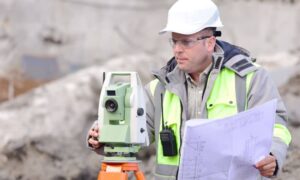
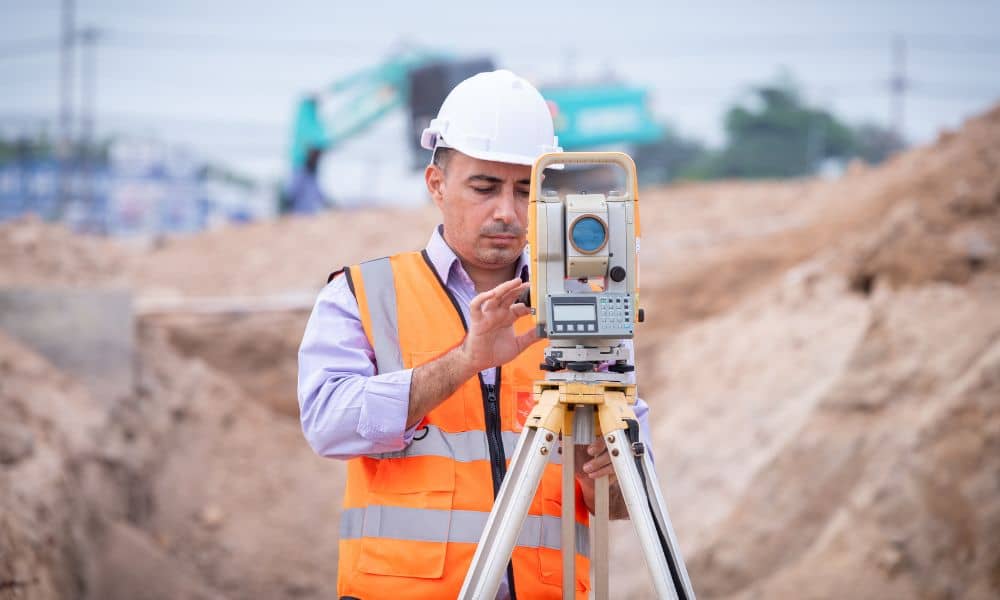
Because of this, a commercial property surveyor visits the land and looks for survey markers in the ground. These markers may be metal rods, pipes, or small nails placed during past surveys.
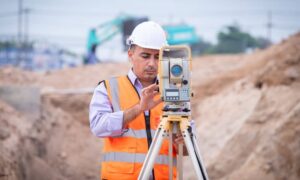
Then the surveyor measures the property using modern tools. As a result, the exact boundary becomes clear. This step helps prevent future disputes between neighbors.
Finding Easements on the Property
Another important task is finding easements.
An easement allows someone else to use part of the land. For example, power companies often run electric lines across properties. Water lines and drainage pipes may also pass through the land.
These easements can limit where buildings or parking lots can go.
So a commercial property surveyor carefully maps each easement. Once the developer sees these areas, they can design the project the right way.
Mapping Features on the Land
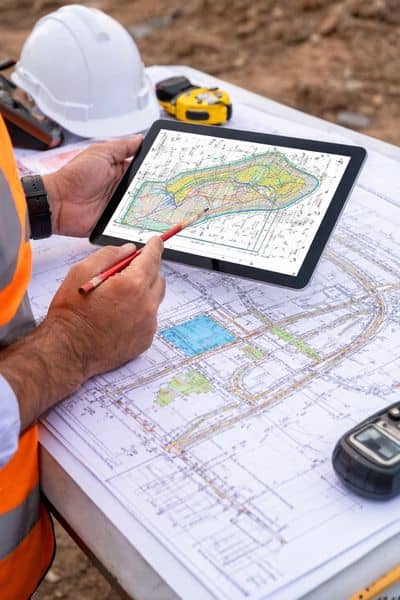
Next, surveyors record the physical features on the site.
Land often contains roads, fences, trees, drainage paths, and utility boxes. These items can affect how the land gets used.
Therefore, a commercial property surveyor measures and maps everything on the site. They mark where roads sit, where fences run, and where structures stand.
This information helps engineers and architects design the project safely.
Measuring the Shape of the Land
Land rarely sits flat. Some areas slope up or down. Other parts may sit lower and collect water.
So a commercial property surveyor measures the height of the land across the site. These measurements show how the ground rises and falls.
Engineers use this data when they design drainage, parking lots, roads, and building foundations. Without this information, water could pool in the wrong areas or cause damage later.
Because of this, measuring the land’s shape is a key part of the survey.
Helping With City Approvals
Large projects must pass city reviews before construction begins. Cities want to make sure new buildings follow local rules.
Developers must submit site plans that show buildings, parking areas, and access roads.
A commercial property surveyor provides the accurate land data behind those plans.
For example, city planners may check property lines before they approve a project. Survey maps help confirm that the project stays within the property.
When the survey information is clear, the approval process often moves faster.
Reducing Risk for Developers
Building a large project costs millions of dollars. Because of this, developers must reduce risk whenever possible.
A commercial property surveyor helps make that happen.
First, surveys reveal boundary problems before construction begins. Next, they show easements that might limit building areas. They also provide the measurements engineers need for safe design.
Because of this early work, developers avoid costly surprises later.
Supporting Growth in Fast-Growing Cities
Fort Worth continues to grow. New homes, stores, and businesses appear across the region. However, each new project must start with accurate land information.
A commercial property surveyor provides that foundation.
Surveyors help the development team understand the property before building begins. Their work guides engineers, architects, and planners through the project.
Without clear survey data, large developments could face delays or legal problems.
The First Step Before Construction
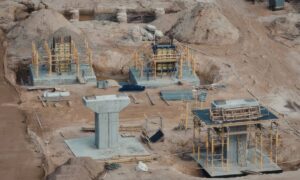
Before workers break ground and before buildings rise, developers must understand the land fully.
Property lines, easements, slopes, and site features all affect how a project moves forward.
That is why developers call a commercial property surveyor first.
Surveyors measure the land, confirm the boundaries, and map the site. Because of this work, developers can build with confidence.
In a growing area like Fort Worth, this early step helps large projects move forward smoothly and successfully.