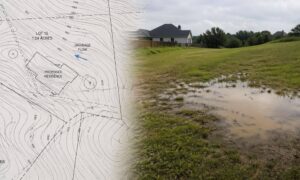
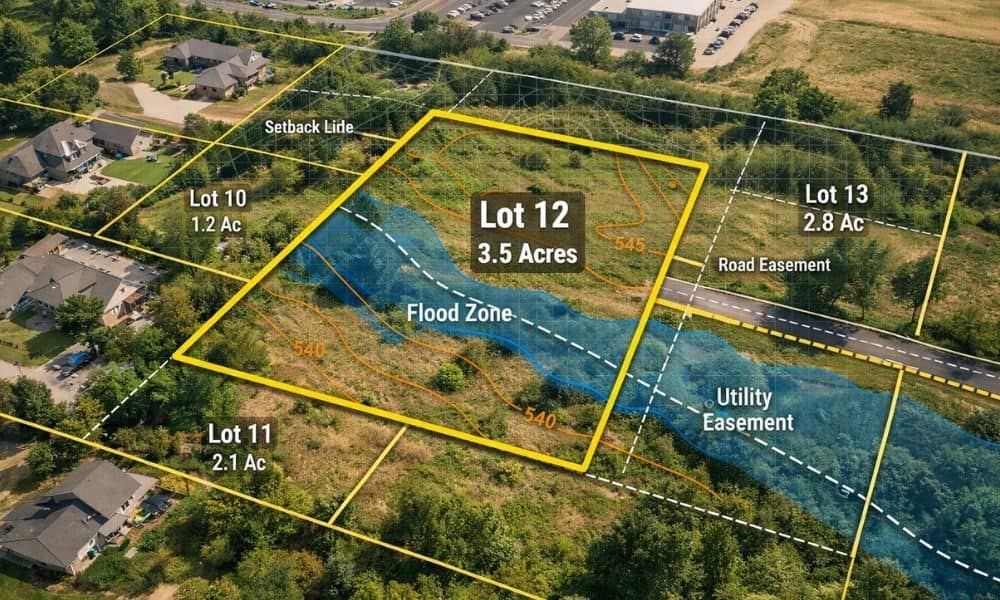
If you’re planning to build on a piece of land, it’s easy to trust what you see. The lot may look flat, clean, and ready. However, what you see on the surface doesn’t always tell the full story. Many property issues stay hidden until construction begins—and by then, fixing them can cost more than expected. Because of this, a local surveyor doesn’t start with tools on the ground. Instead, they begin with city maps and public data. This step helps uncover problems early, long before any building starts, and it gives you a better sense of what goes into planning a project before moving forward.
Why Some Property Issues Don’t Show Up Right Away
When you walk on a property, everything may seem fine. The ground looks even. The space looks open. You might even picture exactly where your home or structure will go.
However, land has layers of information that you can’t see. Water flow, elevation changes, and building limits all exist beyond what your eyes can catch.
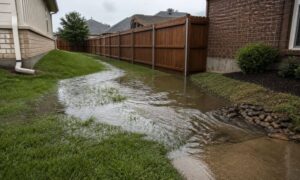
For example, a lot may look dry during a visit. Yet, during heavy rain, water may move across it in ways that affect where you can build. In the same way, parts of the land may have restrictions that are not visible at all.
Because of this, many people run into problems after construction starts. Plans need to change. Costs increase. Timelines stretch.
A local surveyor helps avoid this by looking at the data first, not just the land, which is why many property owners choose to work with a local surveyor who understands the land before moving forward with their plans.
How a Local Surveyor Uses City Maps Before Any Work Begins
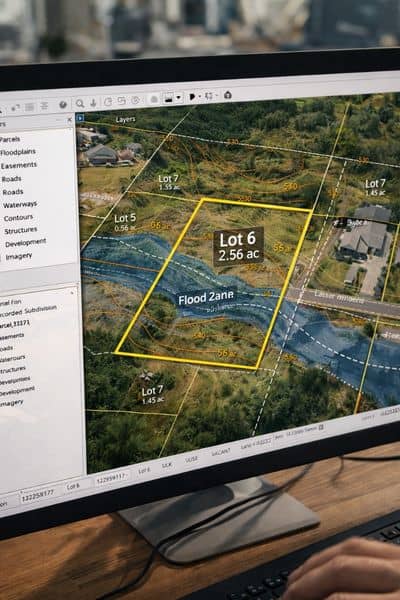
Before stepping on-site, a local surveyor studies several types of city maps. Each one gives a clearer picture of the property and how it behaves.
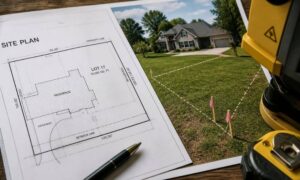
First, they review the layout of the lot. While a property may look simple, maps often show details that affect buildings. Some lots have unusual shapes or tight areas that limit where structures can go. Because of this, design plans may need to adjust early.
Next, they check flood and elevation data. Even in areas that don’t seem risky, water movement can still play a big role. In Fort Worth, certain properties deal with runoff during storms. So, understanding elevation helps guide decisions about foundations and drainage.
In addition, a local surveyor looks for areas where building may not be allowed. These areas can exist for utilities, drainage, or access. While you may not see them on the ground, they are clearly marked in city data. Because of this, planning without checking maps can lead to major changes later.
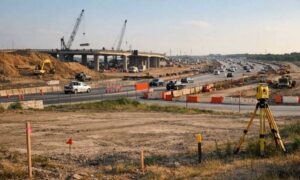
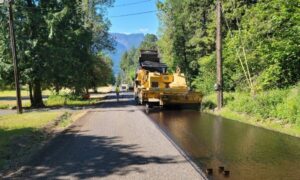
At the same time, nearby development also matters. New construction, grading, or road changes can affect how your property functions. By reviewing this information, a surveyor sees the bigger picture, not just the lot itself.
What These Map Checks Can Reveal Early
Once all this information comes together, a local surveyor can give a much clearer understanding of the property.
Instead of guessing, you begin to see how the land actually works. You learn where building makes sense and where extra planning may be needed.
For example, certain areas may require better drainage planning. Other sections may limit where structures can be placed. In some cases, design changes may be needed before moving forward.
Because of this, early map review helps prevent wasted time and money. It allows you to adjust your plans before construction begins, not after.
Why Looking at Maps on Your Own Isn’t Enough
Today, many city maps are available online. So, it might seem easy to check them yourself. While that’s a good start, it doesn’t replace the work of a local surveyor.
Maps can be hard to read if you don’t know what to look for. Some details may seem minor but actually have a big impact. Also, not all data is perfectly up to date.
More importantly, maps don’t confirm real-world conditions. They only provide part of the picture.
A local surveyor connects all the pieces. They review the data, understand what it means, and then verify everything on-site. Because of this, you get information you can rely on when making decisions.
When It Makes Sense to Call a Local Surveyor
Timing plays a big role in avoiding problems. The earlier you involve a local surveyor, the smoother your project can go.
It helps to bring one in before buying land, before creating plans, or before starting construction. This way, you can catch issues while changes are still easy to make.
In contrast, waiting until later often leads to delays and added costs. Small problems can quickly turn into bigger ones once work has already started.
How This Approach Helps You Build with Confidence
Building on a property is a major investment. Because of that, having clear and accurate information matters from the start.
When a local surveyor uses city maps as part of the process, you gain a better understanding of your land. You can plan with more confidence and avoid surprises along the way.
As a result, your project becomes more efficient. Decisions feel more certain. And the path from planning to construction becomes much smoother.
Final Thoughts
At first glance, a property may seem ready for building. However, the most important details often stay hidden beneath the surface.
That’s why a local surveyor begins with city maps. This step reveals issues early and helps guide smarter decisions.
In the end, careful planning makes all the difference. Before you build, take the time to understand your land the right way—with the help of a local surveyor.