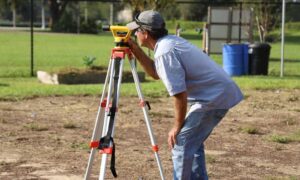

Fort Worth is growing fast. New homes, warehouses, and shopping centers keep popping up across the city. At the same time, the Federal Aviation Administration (FAA) has started watching drone flights more closely. Because of recent drone incidents in restricted areas, the FAA now enforces airspace rules more strictly. While most news stories talk about hobby drones, these changes also affect professional drone surveying.
If you own land, manage construction, or plan a project, this matters. However, it does not create problems when you hire the right team. Instead, it raises the standard for safety and quality.
Why the FAA Is Watching Airspace More Closely
Over the past year, more drones have flown into restricted zones. Some entered areas near airports and military bases. Because of that, the FAA increased oversight and tightened enforcement.
Today, commercial drone operators must follow stricter steps. Remote ID systems let regulators see who is flying. Authorization rules in controlled airspace now receive more attention. When someone breaks the rules, the FAA acts faster.
Even though this sounds serious, the goal is simple: keep the skies safe. For professional drone surveying companies, following the rules has always been part of the job. Now, those rules just receive closer attention.
Fort Worth’s Airspace Is Not Wide Open
Many people think Texas skies are wide open. In reality, Fort Worth has several controlled zones.
Alliance Airport handles heavy air traffic. Naval Air Station Joint Reserve Base supports military flights. Hospitals use helicopters. Even some downtown areas fall inside monitored airspace.
Because of this, drone surveying requires planning before every flight. A site near controlled airspace does not stop a project. However, it does require approval and timing.
When surveyors check airspace early, they avoid delays later.
What This Means for Project Timelines
Construction projects run on tight schedules. Engineers need topographic data to design drainage and grading. Contractors rely on maps to guide crews. Delays cost money.
If a drone operator ignores airspace rules, the FAA can stop the flight. That pause can delay design work and push back construction. However, a prepared drone surveying team checks restrictions ahead of time and secures approval before arriving on site.
Because enforcement has increased, early planning matters more than ever. When airspace review becomes part of the process, projects stay on schedule.
Instead of seeing regulation as a problem, smart developers treat it as part of good planning.
Higher Standards Help Serious Developers
Stricter FAA rules actually improve the industry. When enforcement increases, unqualified operators struggle to compete. Professional firms stand out.
A qualified drone surveying provider holds FAA Part 107 certification. They follow Remote ID rules. They understand controlled airspace maps. They plan for approval time in their schedule.
As a result, clients receive accurate data without legal risk.
In addition, lenders and investors review project documents carefully. When survey data comes from a compliant team, it builds trust. In that way, stronger enforcement protects both safety and investment.
Drone Surveying Is More Than Flying
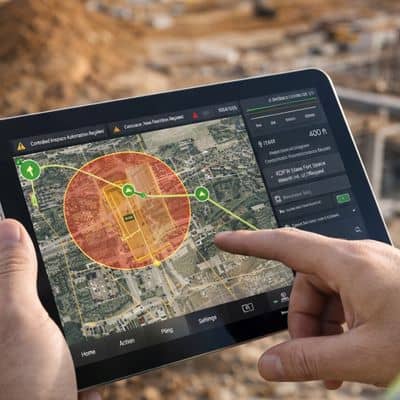
Some people think drone surveying only means launching a drone and taking pictures. In truth, it combines flight rules with engineering skill.
Before takeoff, professionals review airspace maps and check for restrictions. Next, they plan the flight for safe height and proper coverage. After collecting data, they turn images into maps and 3D models. Finally, they check accuracy before delivering results.
Because FAA oversight has increased, airspace review now plays an even bigger role.
For example, a project near Alliance may need approval through LAANC before flying. A site near a flight path may require extra coordination. These steps protect both the flight and the project.
Growth Requires Responsible Operations
Fort Worth keeps expanding in every direction. With growth comes more air traffic and more complex airspace.
Therefore, drone surveying must operate responsibly. Civil engineers use elevation data to design drainage. Developers rely on maps for permits. Contractors need accurate numbers for earthwork.
When a drone surveyor understands both engineering needs and airspace rules, projects move forward without stress.
That balance defines modern drone surveying.
Planning Early Makes the Difference
Because the FAA enforces airspace rules more strictly, developers benefit from early coordination.
When drone surveying becomes part of early planning, teams can review airspace conditions before scheduling. They can estimate approval time correctly. They can line up flights with construction phases. They can avoid conflicts with nearby aircraft.
These steps happen behind the scenes. However, they prevent delays that could affect the whole project.
Early planning does not slow work down. Instead, it keeps everything moving smoothly.
The Future of Drone Surveying
Recent FAA airspace changes do not stop progress. Instead, they support professionalism. In Fort Worth, where growth meets active airspace, compliance keeps projects safe and reliable.
Professional drone surveying provides clear maps, accurate elevations, and dependable site data. However, success now depends on planning and certification as much as equipment.
For property owners and developers, the message is clear. Choose a drone surveying team that understands both engineering standards and FAA rules. When compliance becomes part of the process, your project stays protected.
Fort Worth will continue to grow. At the same time, airspace oversight will keep evolving. Fortunately, when handled the right way, drone surveying adapts easily.
And in a fast-moving city, that makes all the difference.