A property line dispute rarely starts big. In most cases, it begins with a simple question. “Is that fence on my side?” “Was that shed always there?” “Why does your driveway cross the line?” However, small questions can grow fast. One neighbor feels certain. The other disagrees. Voices rise. Contractors keep working. Money moves. Suddenly, what felt minor turns expensive. Recently, a viral story showed exactly how this happens. A homeowner challenged a boundary, paid for a survey to prove a point, and ended up confirming they were wrong. Instead of winning the argument, they paid to lose it. That situation feels dramatic. Yet it happens more often than people think — especially in growing cities like Fort Worth. The good news? A licensed surveyor can settle the issue before it spirals out of control.
Why Property Line Disputes Escalate So Quickly
First, pride plays a role. No one wants to feel like they gave up land. When someone questions ownership, it feels personal.
Next, construction schedules push people forward. Fence crews arrive. Concrete trucks show up. Materials sit in the driveway. Because of that pressure, homeowners often build first and verify later.
Meanwhile, neighbors talk. Sometimes those talks stay calm. Other times, they turn tense. Once tension grows, logic shrinks. Each side searches for proof. Screenshots get shared. Old photos come out. Opinions multiply.
Then money enters the picture.
If a project crosses the wrong line, the cost does not stop at the fence. You may face removal, contractor rescheduling, material loss, or even legal letters. Therefore, what began as a few inches can quickly cost thousands.
The First Signs You Need a Licensed Surveyor
Some homeowners wait too long. However, certain warning signs should trigger action right away.
For example:
- A neighbor says the fence does not match the boundary.
- You plan to build near the side yard line.
- An older survey conflicts with what you see on the ground.
- Stakes appear, disappear, or move.
- A contractor asks, “Are you sure this is the line?”
At that moment, guessing will not help. Arguing will not help either. Instead, you need clarity.
A licensed surveyor provides that clarity.
What Happens When a Neighbor Orders Their Own Survey
Sometimes, a neighbor hires a surveyor first. When that happens, emotions often spike.
Homeowners assume that whoever orders the survey wins. However, that is not how it works.
A licensed surveyor follows evidence. They examine recorded documents. They search for existing monuments. They analyze how those elements connect. Then they make a professional judgment.
If your neighbor presents a survey, ask for a sealed copy. Check the date. Confirm whether the surveyor found original corner markers or set new ones. Most importantly, stay calm.
If questions remain, you can hire your own licensed surveyor for independent verification. That step brings balance to the situation and removes guesswork.
How a Licensed Surveyor Actually Settles the Dispute
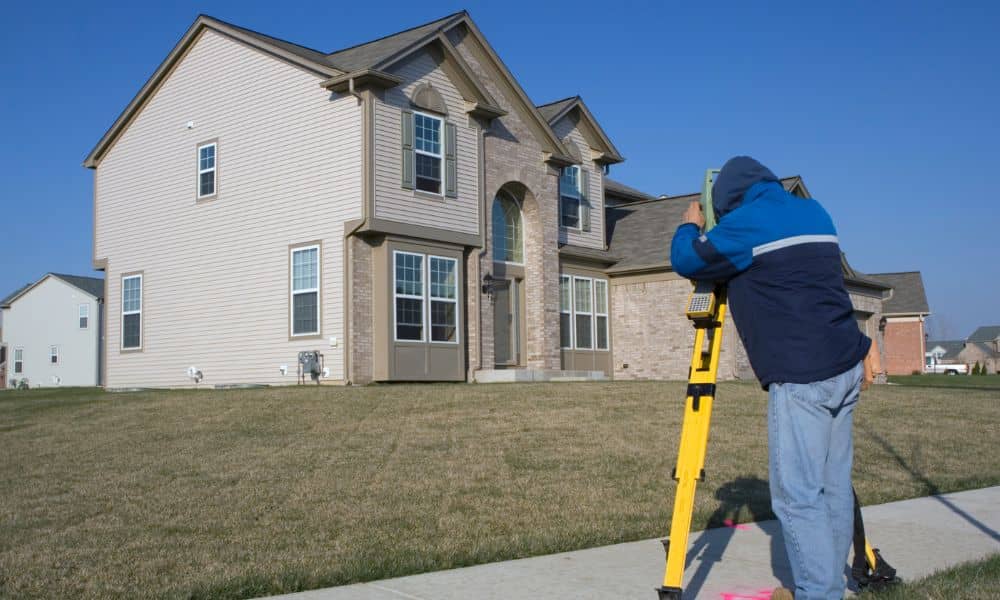
Once involved, a licensed surveyor does more than measure distance.
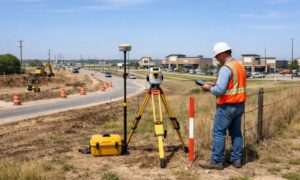
First, they research your property records and prior surveys. Then they visit the site. They search for corner monuments, iron rods, or other boundary markers. After that, they compare what they find with the legal description.
Next, they evaluate all evidence together. Not every marker controls the boundary. Experience and training guide that decision.
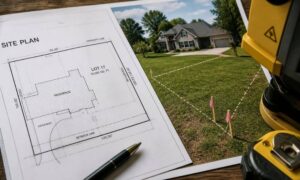
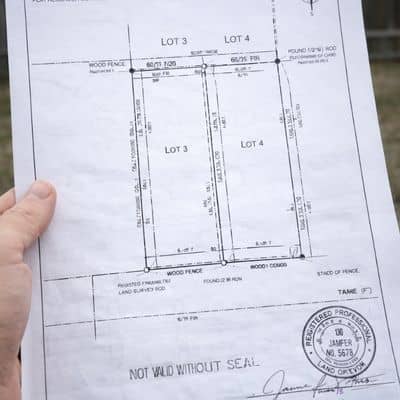
Finally, they mark the true boundary on the ground and prepare a sealed survey drawing.
At that point, the discussion changes. Instead of opinions, you now have documented evidence. Contractors can align improvements correctly. Neighbors can see marked corners. Attorneys and title companies can review a formal document if needed.
Clarity replaces tension.
The Hidden Costs Most Homeowners Do Not Expect
Many people focus on the price of a survey. Yet they overlook the price of being wrong.
Consider these common outcomes:
- Removing and reinstalling a fence.
- Breaking up and repouring concrete.
- Rescheduling contractors and paying delay fees.
- Losing time during a property sale.
- Hiring an attorney to draft letters.
In Fort Worth, lot sizes can feel tight, especially in established neighborhoods. Infill construction and remodels push improvements closer to boundaries. Therefore, even small errors create larger impacts.
When you compare those costs to hiring a licensed surveyor early, the difference becomes clear. Prevention almost always costs less than correction.
Why Disputes Feel Personal — and How Documentation Helps
Boundary disputes rarely stay technical. They become emotional.
Neighbors may feel accused. You may feel attacked. Over time, frustration builds.
However, marked corners and a sealed survey shift the tone. Instead of arguing about what feels right, both sides can look at the same information.
That shared reference point lowers tension. Even when people disagree, they now disagree from facts instead of assumptions.
In many cases, once a licensed surveyor presents the findings, the argument ends. The line stands. The project adjusts. Life moves on.
Fort Worth Has Unique Boundary Pressures
Fort Worth continues to grow. New builds rise beside older homes. Alley-access properties sit behind narrow lots. Some neighborhoods rely on plats that date back decades.
Because of that mix, improvements often sit close to boundaries. Shared driveways, detached garages, and backyard additions increase the risk of overlap.
Additionally, rising property values make every square foot matter more. As land becomes more valuable, disputes carry higher financial stakes.
In this environment, relying on assumption becomes risky. Professional verification protects your investment.
A Smarter Way to Handle a Property Line Question
If a dispute begins, pause. Do not remove stakes. Do not move fences. Do not escalate online.
Instead, gather your documents. Keep communication respectful. Then contact a licensed surveyor.
Once the boundary receives proper evaluation and marking, decisions become easier. You can adjust plans if needed. Your neighbor can see physical evidence. Contractors can work with confidence.
Most importantly, you avoid letting emotion drive expensive choices.
Protect the Property — Not the Argument
Your home likely represents one of your largest investments. Protecting that investment requires more than confidence. It requires verification.
A licensed surveyor does not take sides. They do not argue opinions. They analyze evidence and define the boundary based on professional standards.
When you involve a licensed surveyor early in a property line dispute, you replace tension with clarity. You protect improvements from costly mistakes. You reduce the risk of legal conflict.
In the end, the goal is simple: settle the issue correctly before it costs you thousands.
And that starts with the right call.