
Many property owners feel surprised when they see today’s property survey cost quotes. Just a year or two ago, the numbers often looked lower. Now, in many cases, they look higher — sometimes much higher. So what changed?
Most people blame general price increases. However, that is only part of the story. New flood map updates and tighter review standards now push survey requirements to a higher level. As a result, surveyors must gather more data, run more checks, and deliver more detailed files. That extra work raises costs.
The Big Shift: Map Updates Now Trigger More Review
Flood maps change when agencies collect new rainfall data, terrain scans, and drainage models. Recently, updated and draft flood maps across parts of Texas pushed lenders and permit reviewers to act more carefully.
Now here’s what matters to you: reviewers don’t just glance at a map and move on. Instead, they often ask for proof tied to your exact property. They want current elevation data, updated ground levels, and survey files that match the newest mapping layers.
Because of that, a simple request often turns into a deeper survey scope. Naturally, the property survey cost rises with that scope.
Your Land Didn’t Change — But Your Risk Category Might Have
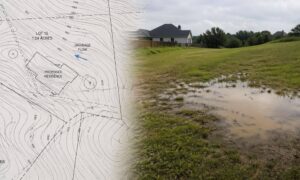
This part confuses many owners. Your house didn’t move. Your lot didn’t shift. However, your mapped risk zone might have changed. When that happens, lenders and city reviewers react quickly.
For example, a parcel that once sat outside a flagged flood area might now sit near a revised boundary line. That small shift triggers new questions. Reviewers then request updated proof instead of old drawings.
Therefore, even owners with prior surveys often need fresh field checks. That new work adds time and raises the property survey cost.
Why Survey Scope Expands After Flood Map Changes
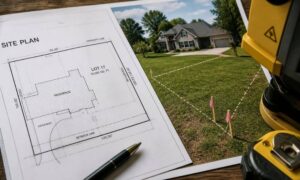
Modern surveys connect boundary lines, terrain shape, structures, and elevation control. When flood risk enters the picture, surveyors must link all of that data together with higher accuracy.
So what does that look like in real work?
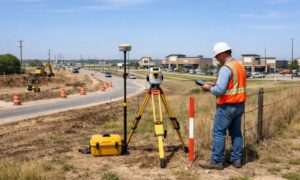
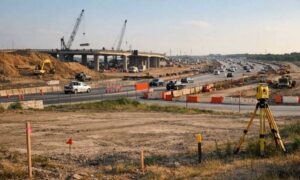
Survey crews collect more elevation points across the site. They tie those points to vertical control markers. They confirm ground levels near buildings and drainage paths. Then office teams overlay flood layers onto the parcel map. After that, they prepare lender-ready and permit-ready deliverables.
Each added layer of verification takes real hours. More hours mean higher property survey cost.
Fort Worth Owners Feel This Most in These Situations
Not every property triggers added survey depth. Still, several common Fort Worth scenarios now lead to higher quotes.
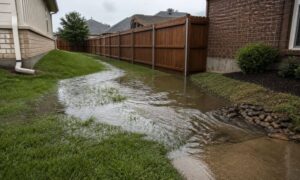
First, properties near creeks, channels, and stormwater paths draw closer review. Next, refinance applications often bring stricter lender document checks than older loans did. Also, permit filings for grading, additions, and site changes often require current elevation backing.
Meanwhile, buyers now ask for fresher survey proof during due diligence. They want fewer surprises later. Because of that, sellers sometimes order updated surveys before listing.
In each of these cases, reviewers want current numbers — not decade-old files.
Why Older Surveys Often Fall Short Today
Many owners say, “I already paid for a survey.” That still helps — but reviewers often want more than legacy data.
Older surveys may lack current elevation ties. They may use outdated control points. They may not include flood layer overlays. They may also miss newer structures and grade changes.
Because of that, surveyors must verify and update key elements. Sometimes they reuse boundary data but refresh elevation work. Other times they must run new field work across the site.
That blended approach still affects property survey cost, although it often saves money compared to a full restart.
What Actually Pushes Property Survey Cost Higher
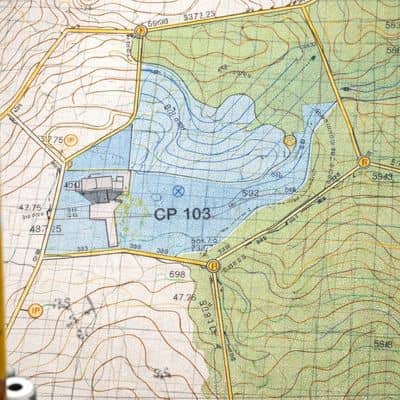
Survey pricing follows effort and risk, not guesswork. Several clear drivers now push costs upward.
First, crews spend more time in the field collecting vertical data. Next, office teams process heavier mapping layers and elevation models. Then licensed surveyors review and certify higher-risk deliverables tied to lending and permits.
Also, many clients now request multiple output formats — CAD, layered PDFs, and digital terrain files. That production work adds hours.
Finally, rush timelines increase cost. When lenders set tight deadlines, survey teams must shift schedules and add resources. That pressure raises the total property survey cost.
How Owners Accidentally Make Survey Costs Higher
Believe it or not, owners sometimes increase their own costs without knowing it.
For example, some people order a “full survey” before they confirm what a lender or city actually needs. Others request maximum detail “just in case.” Some wait until a closing or permit deadline approaches and then demand rush delivery.
In addition, many owners forget to share prior surveys, plans, and title documents. Without that data, surveyors must repeat research and field checks.
However, a little planning prevents most of these extra costs.
A Smarter Way to Order a Survey Today
You can take a few simple steps to control your property survey cost even in this tighter review climate.
First, ask the lender or permit office exactly what they require. Get it in writing if possible. Then share that requirement with the surveyor.
Next, provide every document you already have — old surveys, plans, plats, and reports. That information often reduces repeat work.
Also, ask for scope-based pricing. When you see task-level detail, you can adjust before crews start. Finally, start early. Early scheduling almost always costs less than rush work.
Local Experience Now Matters More Than Ever
Reviewers, lenders, and engineers follow local patterns and expectations. Surveyors who work in this area understand those patterns. They know what reviewers accept and what they reject.
Because of that, local experience often prevents rework. Preventing rework keeps property survey cost under control.
The Bottom Line for Property Owners
Flood map updates changed more than lines on a page. They changed how reviewers judge survey data. As a result, survey scope expanded, and property survey cost increased.
However, you still hold real control. When you confirm requirements early, share existing data, and match scope to purpose, you avoid waste. Smart ordering beats last-minute rushing every time.
If you plan a refinance, permit, or property sale, review your survey status now — not later. Early action protects both your timeline and your budget.