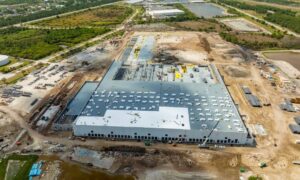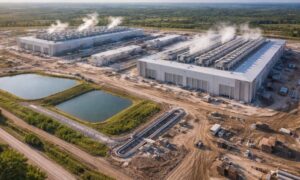
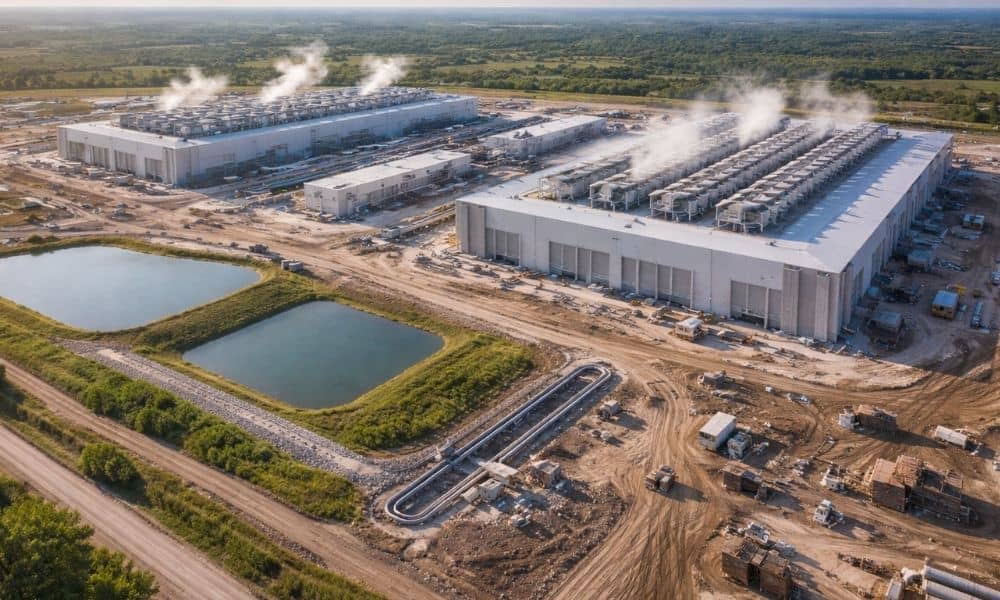
Over the past few days, talk about new data center projects near Fort Worth has grown fast. News stories and online posts now focus on one big issue: water use and infrastructure strain. At first, this may sound like a tech problem. However, the bigger story sits right in the work of the civil engineer.
Large data centers need power, drainage, roads, and cooling systems. Many of those cooling systems use water. Because of that, cities and counties now ask harder questions before they approve new high-demand sites. This shift does not only affect data centers. It also changes how many large projects get reviewed.
For clients and developers, this moment sends a clear message. Infrastructure answers matter as much as zoning and location. So now, the civil engineer plays a key role from the very start.
Why the Fort Worth Data Center Debate Matters Right Now
Fort Worth and nearby North Texas areas continue to attract big tech projects. Data centers support AI tools, cloud storage, and business systems. So demand keeps rising. Yet these buildings work very differently from normal offices or warehouses.
They produce heat all day and all night. Therefore, they must cool equipment at all times. Some cooling designs use large amounts of water each day. As a result, public concern has grown quickly. Many people want to know how much water these sites will use and whether the system can handle it.
This topic has spread fast across news and social media. Because of that, what started as a technical issue has turned into a public debate. When that happens, permit reviews often become stricter and slower.
For any civil engineer in land development, this change shows real project risk.
Infrastructure Capacity Now Drives Approval Decisions
In the past, many projects moved forward if zoning matched and road access looked fine. Now, reviewers look deeper into utility capacity. They want proof, not guesses. They want models, not rough numbers.
Water supply, discharge limits, storm drainage impact, and backup capacity now affect approvals early. Because of that, high-demand projects face more review than before.
This pattern does not stop with data centers. Industrial sites, large campuses, and dense developments face the same checks. So the lessons from the Fort Worth debate apply to many project types.
A civil engineer who understands capacity limits and review rules can guide a project in the right direction early.
The Expanding Role of the Civil Engineer in Early Planning

Today, smart teams change how they start projects. Instead of calling a civil engineer after buying land, many developers begin with engineering review. This step lowers risk and saves money.
A civil engineer can study water access, pipe size, drainage flow, and detention needs before a deal closes. Also, early study often finds limits that sales flyers never show.
For example, a water line may sit near the site but not support peak demand. Or a drainage path may not handle added runoff without upgrades. When teams learn this early, they can adjust plans or choose a better site.
From a client’s view, this feels less like design work and more like smart protection.
Why Clients Should Care — Even Outside Tech Projects
Some readers may think this only affects tech sites. In reality, it affects much more. Cities rarely write special rules for just one type of project. Instead, once capacity concerns appear, they raise review standards for many projects.
That means commercial builders, land buyers, and investors should pay attention. Utility checks and drainage plans now deserve early focus. Otherwise, delays can appear late in the process.
A civil engineer helps answer key questions early. Can the system handle demand? Will detention reduce buildable space? Do utilities support the plan? These answers affect real project costs.
So even if a project has nothing to do with data centers, the lesson still fits.
Smarter Water and Site Design Make a Difference
Not every high-demand site stresses public systems the same way. Design choices change the impact. Because of that, teamwork between design groups matters more than ever.
A civil engineer often works with mechanical and utility planners to support lower-impact designs. Some sites use closed-loop cooling support. Others use reclaimed water where available. Some projects grow in phases so demand rises slowly instead of all at once.
Each option connects back to grading, pipe sizing, storage, and discharge control. So site design and utility planning must move together.
Clients gain when this teamwork starts early instead of after review comments arrive.
Fort Worth Growth Makes Local Knowledge Valuable
Fort Worth keeps growing in many directions. However, infrastructure strength changes by area. Some zones have strong utility networks, while others run close to the limit. This uneven setup makes local knowledge very helpful.
A civil engineer who knows rules and review habits can guide projects more smoothly. Local experience often leads to cleaner submittals and faster replies. As a result, approvals move quicker.
For clients, that speed means lower holding costs and faster start dates.
A Signal of Where Development Review Is Heading
The Fort Worth data center water debate shows more than one project issue. It points to where development review is going overall. Infrastructure impact now drives approval decisions. Therefore, engineering feasibility has become a first step, not a later step.
For today’s civil engineer, this creates both duty and opportunity. Engineers who stay informed and lead early studies will shape better projects. Meanwhile, clients who involve a civil engineer early will avoid costly mistakes.
Right now, infrastructure answers open doors — or close them. That truth makes this debate worth watching closely.