Texas wildfires are no longer rare events. Each year, they grow faster, burn hotter, and spread farther. When fires break out, most people focus on flames, smoke, and evacuations. However, behind every major wildfire response is something far less visible: maps.
More specifically, LiDAR mapping.
While news coverage shows helicopters and fire lines, emergency teams rely on detailed terrain data to make fast decisions. That same data also affects landowners, developers, and cities long before a fire ever starts. In fact, wildfires often reveal problems that already existed on the ground.
Understanding how LiDAR mapping fits into this picture can help you see wildfire risk in a completely different way.
Wildfires Are Terrain Problems First
Fire does not spread evenly. Instead, it follows the land.
Slope, elevation, and natural drainage paths control how fast a fire moves and where it turns dangerous. Fires race uphill, slow in flatter areas, and jump quickly through narrow valleys. Without accurate terrain data, responders must guess.
That is where LiDAR mapping changes everything.
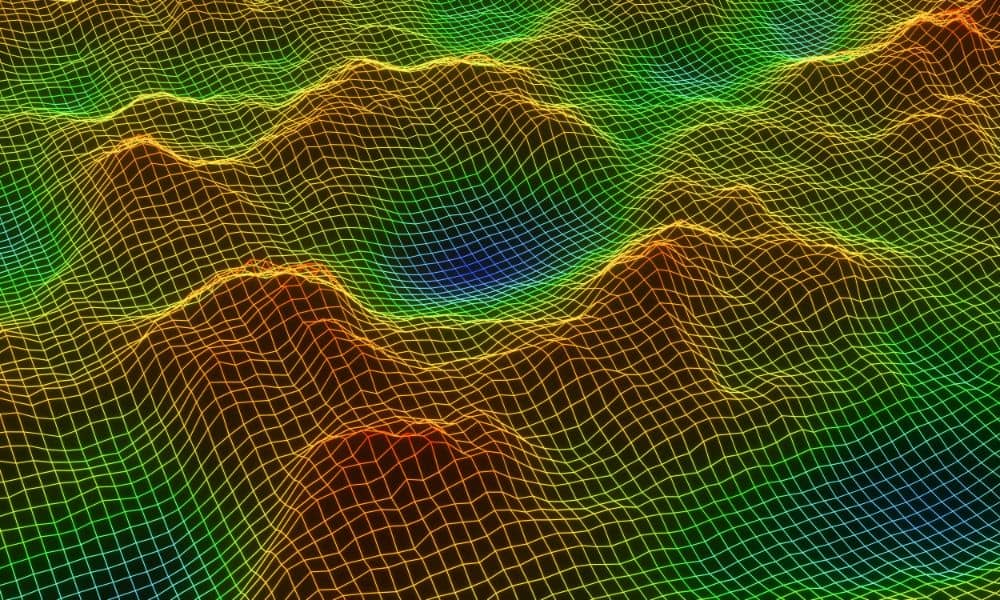
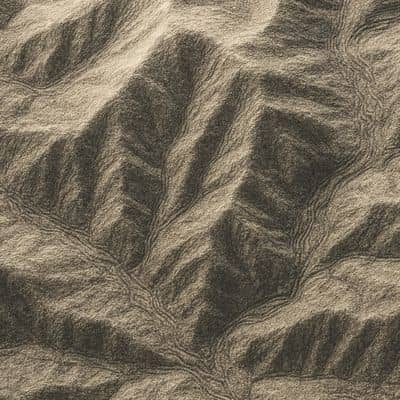
Unlike standard aerial photos, LiDAR mapping captures the shape of the land in three dimensions. It shows hills, dips, channels, and ridges that cameras cannot see. During a wildfire, those details help crews predict fire behavior instead of reacting after the fact.
For property owners and developers, this same terrain data highlights risks that may never appear on flat maps.
Why Satellite Images and Online Maps Fall Short
Most people assume modern maps already show everything. After all, satellite images look sharp and detailed. Still, looks can mislead.
Satellite and drone photos only show the surface. They cannot measure true elevation with enough precision. They also struggle with smoke, tree cover, and shadows, which are common during wildfires.
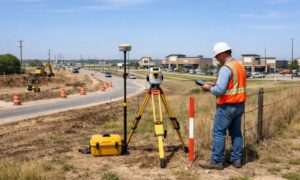
LiDAR mapping works differently. It sends laser pulses toward the ground and measures how long they take to return. Because of that, it can “see” through vegetation and capture the bare earth below.
As a result, LiDAR mapping reveals the land as it really is, not just how it looks from above.
How LiDAR Mapping Helps Predict Fire Behavior
Fire planners use LiDAR mapping to answer critical questions fast:
- Where will fire move fastest?
- Which slopes push flames uphill?
- Which routes stay safe for access and escape?
- Where does water naturally flow during suppression?
Because LiDAR mapping provides accurate elevation models, teams can simulate fire spread before conditions change. This insight saves time, resources, and lives.
For landowners, the same models show how a fire could move across property lines. Fires do not respect fences, and terrain often guides them straight through multiple parcels.
Why This Matters to Developers and Builders
Wildfires do not only affect rural land. Development continues to push into areas with natural fuels and complex terrain. When that happens, mapping quality matters more than ever.
LiDAR mapping helps developers:
- Identify slopes that increase fire risk
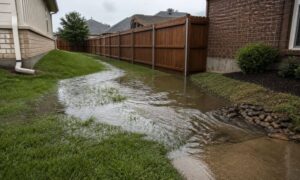
- Understand drainage that could carry embers
- Design safer access roads for emergency vehicles
- Plan grading that reduces exposure
Without LiDAR data, projects may look safe on paper but fail under real conditions. After a wildfire, those hidden weaknesses become obvious.
In many cases, insurance companies and regulators ask tough questions after the fact. Accurate terrain data helps answer them early.
Cities and Utilities Depend on It Too
Cities rely on LiDAR mapping long before wildfires threaten neighborhoods. Roads, power lines, water systems, and drainage all depend on terrain.
During wildfire events, crews need to know which roads stay passable and which areas flood after suppression efforts. Elevation models also help identify infrastructure at higher risk of heat and erosion.
Because Texas landscapes vary so widely, statewide assumptions rarely work. Local terrain data makes the difference between broad guesses and precise planning.
Why Fires Expose Problems That Already Existed
Wildfires feel sudden, yet the risks usually build over years. Poor access, steep slopes, and unmanaged vegetation exist long before flames appear.
LiDAR mapping brings those issues to light early. It does not create risk. Instead, it reveals it.
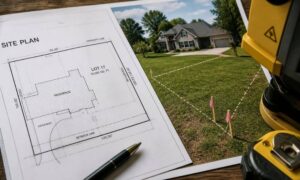
For example, a property may appear flat until LiDAR mapping shows subtle slopes that funnel fire uphill. A planned road may look accessible until elevation data shows dangerous grades.
Once a wildfire occurs, these details become impossible to ignore.
LiDAR Mapping Supports Better Decisions, Not Just Emergencies
Although wildfire response highlights the value of LiDAR mapping, its biggest impact happens earlier.
Landowners use it for smarter land management. Engineers use it for safer designs. Planners use it to guide growth away from high-risk terrain.
During emergencies, teams rely on existing datasets. There is no time to collect new data while fires burn. That means areas without prior LiDAR coverage start at a disadvantage.
Planning ahead always beats reacting late.
The Human Side of Better Mapping
Behind every wildfire map are real people. Homeowners want to protect what they built. Fire crews want to return safely. Cities want to reduce damage before it happens.
LiDAR mapping supports all of them by replacing guesswork with clarity.
When terrain becomes visible, decisions improve. When decisions improve, outcomes follow.
The Takeaway Most People Miss
Wildfires do not just test emergency response. They test preparation.
LiDAR mapping gives communities a clearer picture of their land, long before smoke fills the sky. It shows how fire might move, where danger hides, and what steps reduce risk.
As wildfires continue to shape Texas, understanding the land beneath our feet matters more than ever.
And in that moment, LiDAR mapping stops being technical data and starts becoming essential insight.