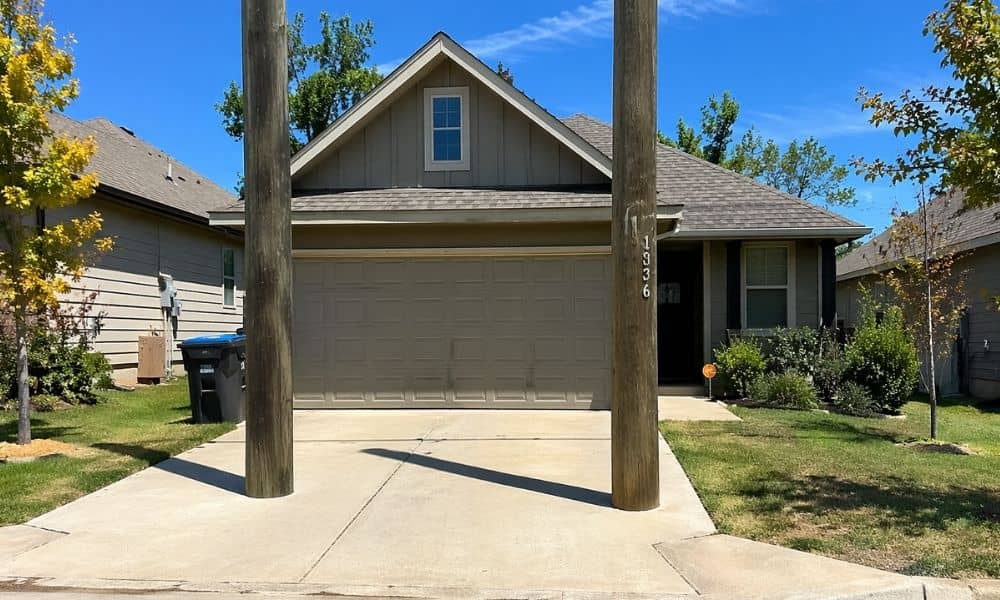
A home in Texas went viral for the wrong reason. At first glance, the listing looked normal. Nice photos. Clean layout. Good price. But then people noticed something odd. Two large utility poles sat right in the driveway. Not near it. Not beside it. Right in the middle. The internet had a field day. Some laughed. Others asked the same question: how did this even happen? But this kind of situation happens more often than people think. It just doesn’t always show up in listing photos. Most buyers go by what they can see, but that doesn’t always match what’s actually there on paper. That’s the difference between a quick walkthrough and what an ALTA title survey shows about a property.
When a Property Looks Fine But Doesn’t Work
Photos can hide a lot.
A wide-angle lens makes a tight space feel open. A smart angle can avoid showing obstacles. Even a quick walk-through might not raise red flags.
But once you own the property, reality kicks in.
You try to pull into your driveway. It’s blocked. You plan a build. There’s no room. You expect easy access. It turns out you share it with someone else.
That’s when the problem shows up. Not before.
Buyers often focus on what they see. Layout. Condition. Location. Those matter, of course. But how a property actually functions matters just as much.
If access doesn’t work, the property doesn’t work.
The Gap Between What You See and What’s Legal
Here’s where many people get caught off guard.
You can drive into a property, park your car, and still not have the legal right to use that access. It sounds strange, but it happens more often than people think.
Some homes rely on shared driveways. Others sit behind another lot and depend on a path that crosses someone else’s land. In many cases, that access only works because of a recorded easement.
Now look at it from the other side.
A property can seem wide open. The driveway looks clear. Nothing appears to be in the way. But on paper, that same access could be shared, limited, or tied to conditions you didn’t expect.
Photos won’t show any of that. Title documents might, but they can be hard to read if you’re not used to them. Once you look into how an ALTA title survey checks property access, it starts to make a lot more sense why these issues get missed.
The Kind of Problems People Miss Until It’s Too Late
The viral listing made people laugh, but the issue behind it is serious.
Blocked driveways are obvious. Other problems are not.
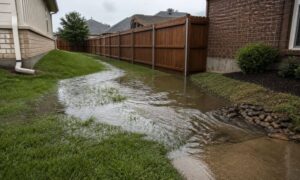
A utility line might cut across a property in a way that limits where you can build. A neighbor’s fence might sit a few feet into your land. A driveway might cross into someone else’s lot without clear rights.
These are not small details. They affect how you use the property every day.
For a homeowner, that could mean constant frustration.
For a developer, it could mean delays, redesigns, or added cost.
And in many cases, the buyer only finds out after closing.
Why This Shows Up Often in Texas Markets
Texas is growing fast. Fort Worth is a great example.
New builds sit next to older lots. Large parcels get split into smaller ones. Roads, utilities, and access points get added over time.
That mix creates complexity.
Some properties still carry older agreements that don’t match how the land is used today. Others depend on shared access that was never clearly defined.
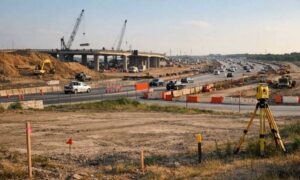
Then you have commercial sites. Tight layouts. Busy streets. Limited entry points. Small changes in access can make a big difference.
So while the viral listing feels extreme, the root problem is common.
What Buyers Should Pay Attention To
You don’t need to be an expert to spot early warning signs.
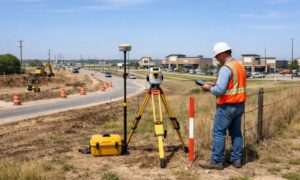
Look at how the property connects to the road. Does anything block the path? Are there poles, fences, or structures close to the entry?
Notice the layout of nearby properties. Do you rely on a shared space to get in and out?
Think about how you plan to use the site. Will trucks need access? Will multiple cars move in and out each day?
If something feels off, it usually is.
That’s the moment to dig deeper.
Where an ALTA Title Survey Fits In
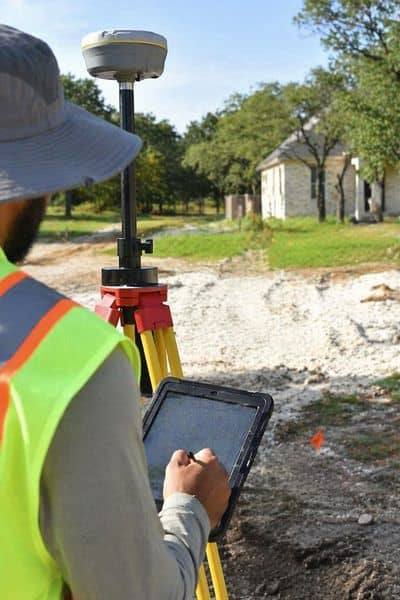
This is where an alta title survey makes a difference.
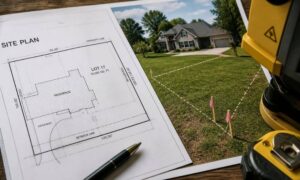
It doesn’t rely on photos. It doesn’t guess. It lines up what’s on the ground with what’s recorded in legal documents.
That includes access.
It shows how a property connects to public roads. It identifies easements that allow or limit that access. It maps out structures, utilities, and any overlaps that affect use.
In a case like the viral listing, a survey would make the issue clear before closing. No surprises. No guessing.
You see the problem on paper before it becomes your problem in real life.
Why This Matters Before You Commit
Buying property is a big decision.
You look at price, location, and condition. Those are easy to judge. Access and usability are harder.
That’s where many buyers slip.
They assume everything works because it looks fine. They trust the listing. They move forward.
Then something doesn’t add up.
At that point, fixing the issue costs more time and money than catching it early.
A survey gives you clarity before that happens.
The Real Lesson Behind the Viral Listing
That Texas listing became popular because it was obvious.
Most problems are not.
They sit in the background. Quiet. Easy to miss. Until they affect how you live, build, or operate on the property.
An alta title survey brings those issues into the open.
It shows how the property actually works, not just how it looks.
And that simple difference can save buyers from making a costly mistake.