Construction work often starts below the ground. Workers dig trenches, move soil, and prepare the base for a building. However, recent excavation accidents show how risky this stage can be. In some cases, trench walls collapsed and trapped workers before the building work even began. These events remind us of an important truth. Strong buildings start with careful planning under the ground. That is where foundation engineering plays a key role. Engineers study the soil, plan the excavation, and design the foundation the right way. When they do this work well, projects become safer and more stable.
So when we look at recent construction failures, we can learn useful lessons about how good planning protects workers, buildings, and construction schedules, especially during foundation planning for construction projects when excavation decisions are first made.
Why Excavation Can Be So Dangerous
Many people think the biggest risks happen when cranes lift heavy materials or when workers build tall structures. However, excavation can be just as dangerous.
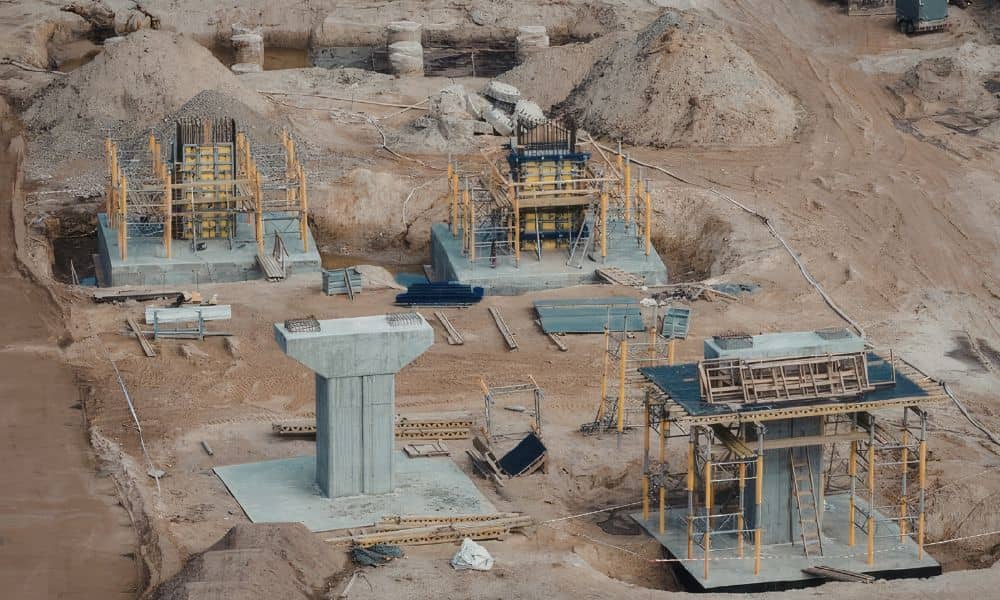
During excavation, crews dig into the ground to prepare for the foundation. As soil gets removed, the ground around the trench loses support. Because of this, the walls of the trench may collapse very quickly if there is no protection.
News stories about trench collapses appear every year. Workers sometimes become trapped when soil falls into the excavation area. These accidents can cause serious injuries. They can also delay construction projects for weeks or even months.
However, many of these problems can be prevented with strong foundation engineering.
What Happens Before a Foundation Is Built
Most people notice a building only when the structure rises above the ground. However, a lot of work happens before that point.
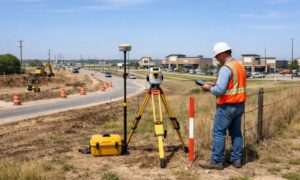
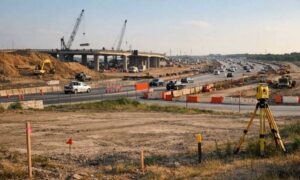
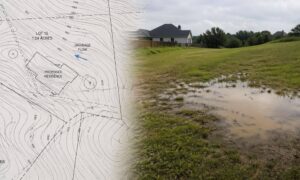
Engineers first study the soil on the construction site, often starting with land surveys before construction begins to understand the layout of the property and the conditions of the site. They collect soil samples and test how the ground behaves. Some soil stays firm when it is disturbed. Other soil can move or break apart easily.
After studying the soil, engineers create a plan for excavation. This plan includes safe slopes for trench walls, support systems for deep excavations, and drainage plans to keep water away from the site.
The construction team then follows this plan while digging the foundation area. Because of this process, foundation engineering guides the project long before concrete gets poured.
Why Excavation Failures Still Happen
Even with safety rules in place, excavation failures still occur. Usually, several problems happen at the same time.
One common cause is unstable soil. Some soils collapse easily, especially when they become wet. Rain or underground water can weaken the ground and increase the chance of a cave-in.
Another problem is the lack of trench support. Deep excavations often need trench boxes, shoring, or other support systems. These systems hold the soil in place while workers do their jobs.
Poor planning can also create dangerous conditions. Sometimes construction teams rush early steps to save time. When crews skip soil testing or ignore engineering plans, the excavation becomes much less safe.
That is why careful foundation engineering is so important during the early stages of construction.
How Foundation Engineering Helps Prevent Collapses

Engineers work to reduce risk before excavation begins. They study the soil and design systems that keep the ground stable during construction.
First, they review soil reports to understand how the ground will behave when digging starts. Next, they determine the safe depth of the excavation and the proper slope for trench walls.
They may also recommend support systems for deeper excavations. These systems help hold the soil in place while workers continue their work safely.
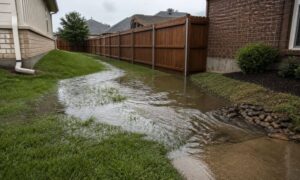
Engineers also plan drainage systems. Water can weaken soil and increase pressure on trench walls. Good drainage helps remove water and keeps the excavation stable.
Because of these steps, foundation engineering helps protect both the workers on the site and the building that will stand there.
Why This Matters for Developers and Property Owners
Excavation failures do not only affect workers. They also create serious problems for property owners and developers.
When an accident happens, construction usually stops right away. Investigations begin, and the project may pause for a long time.
Repair costs can also rise quickly. Crews may need to stabilize the soil, redesign parts of the foundation, or rebuild damaged sections.
These delays can affect project schedules and budgets. Developers may lose valuable time while waiting for work to continue.
However, projects that invest in proper foundation engineering often avoid these problems and keep construction moving forward.
Soil Challenges in Fort Worth and North Texas
Soil conditions change from place to place. In North Texas, the ground contains large amounts of expansive clay.
This type of clay grows when it absorbs water and shrinks when it dries. Because of this constant movement, foundations must handle soil expansion and shrinking.
During excavation, this clay can also crack or shift without warning. Engineers must plan trench slopes carefully and manage moisture around the site.
Fort Worth continues to grow, and new construction projects appear across the region. Because of local soil conditions, these projects benefit greatly from careful foundation engineering.
Building Safety Starts Below the Surface
Every building depends on what lies under it. When excavation happens without proper planning, the ground may shift or collapse.
However, careful foundation engineering can change that outcome. Engineers study the soil, plan the excavation, and design foundations that support buildings for many years.
Recent construction accidents remind us that safety begins long before walls go up or roofs are installed. It starts below the surface with thoughtful planning and expert engineering.
When projects invest in strong foundations from the beginning, workers stay safer, construction moves forward with fewer delays, and buildings stand stronger for the future.