You notice a crack on your wall. At first, it looked small. Then you spot another one near the ceiling. Soon you begin asking the same question thousands of homeowners ask online every week: Is this crack serious? This question has spread across homeowner forums and social media. People post photos of cracks in walls, ceilings, and foundations, hoping strangers can tell them if their home has a real problem. However, the answers rarely agree. One person says the crack is normal. Another warns about foundation damage. As a result, many homeowners feel even more confused. Instead of guessing, the safest step is a structural inspection. A professional inspection looks at the entire structure and determines whether a crack is cosmetic or a warning sign.
Understanding why cracks appear in homes can help you decide when it’s time to call an expert.
Why This Question Keeps Going Viral Online
Homeowners often turn to the internet when something unexpected appears in their home. A crack in the wall can trigger instant worry. Naturally, people want quick answers.
However, houses behave differently depending on their design, materials, and soil conditions. Because of that, a simple photo rarely shows the full story.
Online discussions often show the same pattern. Someone uploads a photo of a crack and asks if it is serious. Then dozens of people offer opinions based on their own homes.
Some people say the crack looks harmless. Others suggest major structural damage.
Although these comments may sound helpful, they usually miss important details. A house is a system of connected parts. One crack might relate to temperature changes, while another could come from foundation movement.
That is why many homeowners eventually decide to schedule a professional structural inspection so they can understand what the crack really means.
Why Homes Develop Cracks Over Time
Most homeowners feel alarmed when they see a crack for the first time. However, cracks appear in many homes as they age.
Houses settle gradually. Materials expand and contract when temperatures change. Soil under the home also shifts as moisture levels change, which is why understanding the land around your home can sometimes help explain why cracks begin to show.
Because of these natural movements, small cracks can appear in drywall or plaster. These cracks often develop in predictable locations, such as the corners of windows and doors or where two materials meet.
In many cases, these cracks remain small and stable for years.
Still, not every crack comes from normal settling. Some cracks form when the structure shifts more than expected. That movement can place stress on walls, ceilings, and foundations.
When homeowners cannot tell the difference, a structural inspection becomes the best way to understand what is happening.
The Types of Cracks Homeowners Worry About Most
When homeowners share photos online, certain types of cracks appear again and again.
Wall cracks often attract attention first. These cracks usually form above doors or windows. Sometimes they develop along drywall seams or corners. While many of these cracks come from simple settling, larger cracks can signal movement in the framing behind the wall.
Ceiling cracks create even more concern. Because the ceiling sits overhead, homeowners worry about safety. These cracks may appear when roof framing shifts slightly or when seasonal temperature changes cause materials to expand and contract. In some cases, however, widening ceiling cracks can point to movement in structural beams or supports.
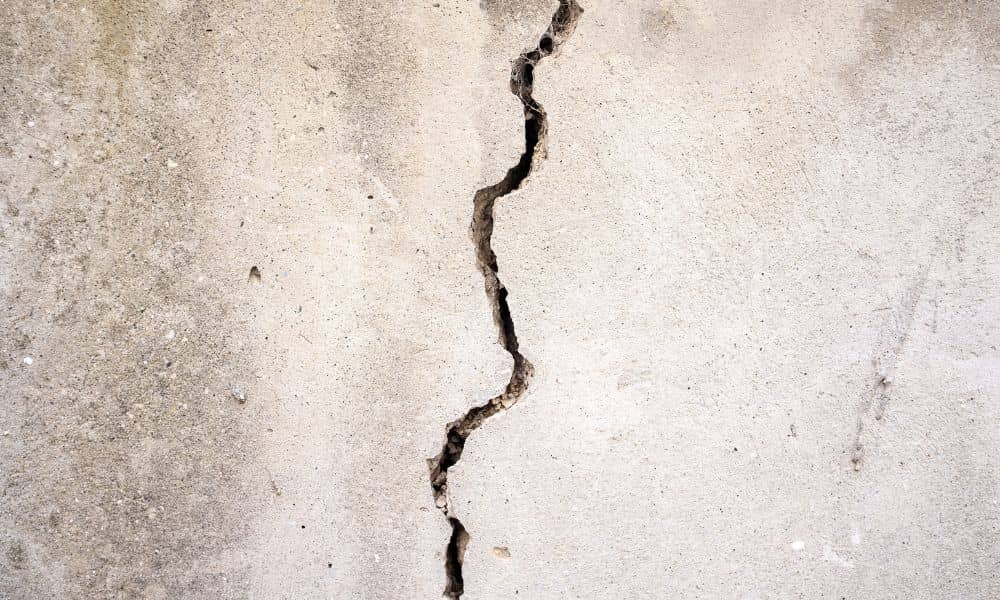
Foundation cracks tend to cause the most stress. The foundation supports the entire house, so homeowners often assume the worst when they see a crack in concrete. Yet many foundation cracks are normal. Concrete naturally develops hairline cracks as it cures and ages.
Still, wider cracks deserve attention. Soil movement, poor drainage, or uneven settlement can place pressure on the foundation. When that happens, a structural inspection helps determine whether the crack represents normal aging or structural movement.
Why Online Advice Often Leads to Confusion
Although online communities can offer support, they cannot replace a professional evaluation.
Every house sits on unique ground conditions. Some homes rest on stable rock. Others sit on clay soil that expands when wet and shrinks during dry seasons.
These soil changes can cause foundations to move slightly throughout the year.
Because soil behavior varies by location, cracks that appear harmless in one home may signal a problem in another. Online advice rarely accounts for these differences.
In addition, photos do not show hidden structural elements. A crack in drywall might simply be cosmetic. On the other hand, the same crack could indicate movement in the framing behind the wall.
Only a full structural inspection evaluates the entire system of the home, including its foundation, framing, and load paths.
Warning Signs That a Crack Might Be Serious
Although many cracks are harmless, certain patterns suggest that the structure may be shifting.
Cracks that grow wider over time deserve attention. Likewise, cracks that measure more than a quarter inch wide often signal more significant movement.
Brick homes sometimes develop stair-step cracks along mortar joints. These cracks can occur when a foundation shifts unevenly.
Other symptoms may appear as well. Doors may begin sticking in their frames. Windows may refuse to close properly. Floors may start to slope slightly from one side of the room to the other.
When these symptoms appear together, the structure may be under stress. In these situations, scheduling a structural inspection helps homeowners understand the cause and determine the next step.
What Happens During a Structural Inspection

Many homeowners imagine that inspections involve complicated equipment or disruptive testing. In reality, the process focuses on careful observation and structural analysis.
During a structural inspection, professionals examine the home from the outside first. They review the condition of the foundation, exterior walls, and surrounding drainage.
Proper drainage plays a major role in structural stability. Poor grading or standing water near the home can lead to soil movement that affects the foundation.
Next, the inspector evaluates the interior of the house. Floors, walls, and ceilings receive close attention. The inspector also checks door and window alignment because misalignment often signals structural movement.
In addition, the inspection considers the home’s framing and structural supports whenever visible.
Once the evaluation finishes, the homeowner receives clear findings explaining whether the cracks represent normal settling or structural concerns.
Why Structural Inspections Matter Before Buying a Home
Cracks often appear during home purchases. Buyers may notice them during property showings or during a standard home inspection.
At that moment, uncertainty can stall a transaction. Buyers wonder whether they should continue with the purchase or walk away.
A structural inspection helps resolve this uncertainty. When the inspection confirms that the cracks are cosmetic, buyers can move forward with confidence.
However, if the inspection reveals structural movement, buyers gain valuable knowledge. They can request repairs, negotiate pricing, or reconsider the purchase.
Without this information, buyers risk facing costly repairs after moving in.
Getting Clear Answers Instead of Guessing
The internet proves one thing clearly: homeowners everywhere worry about cracks.
People ask strangers for opinions, hoping someone can provide reassurance. Unfortunately, these conversations often create more confusion than clarity.
A house is a complex structure, and cracks can come from many different causes.
That is why homeowners should rely on facts rather than guesses. A professional structural inspection provides the information needed to understand what is happening inside the structure.
In many cases, the inspection confirms that the crack is minor. That news brings immediate relief.
In other cases, the inspection catches structural movement early, allowing repairs before major damage develops.
Either way, a structural inspection replaces uncertainty with clear answers.