Fort Worth keeps growing. New homes go up fast, and new commercial spaces follow. At first, it feels like there’s plenty of land and plenty of opportunity. But growth like this always runs into a limit. That limit is infrastructure. The Mary’s Creek Water Project shows where Fort Worth is heading next. It’s not just about water. It shapes how projects get approved, how they move forward, and how long they take to finish. You can see the shift in how projects get planned. Things that used to feel straightforward now need more coordination and better timing. That’s where someone like a construction engineer in Fort Worth starts to make a real difference.
A City Project That Changes How Projects Get Built
The Mary’s Creek project focuses on water reuse and system expansion in west Fort Worth. That might sound like a background issue, but it’s not.
Water systems control what gets built and when.
If the system can’t support a project, nothing moves forward. It doesn’t matter how good the plans look. It doesn’t matter how ready the site is.
Work stops.
Because of that, more projects now depend on things outside the property line. They rely on timing, capacity, and coordination with city systems.
That’s a big shift.
Growth Is No Longer Just About Land
In the past, many projects started with one question: “Is the land buildable?”
Now there’s a second question right behind it:
“Can the infrastructure handle it?”
That change affects everything.
A site might look perfect. Flat ground. Good access. Strong location. Then the project hits a delay because water or sewer connections aren’t ready yet.
This happens more often than people expect.
As Fort Worth expands, the pressure on existing systems grows. New projects don’t just plug in easily anymore. They need planning that goes beyond the property.
Where Projects Get Stuck
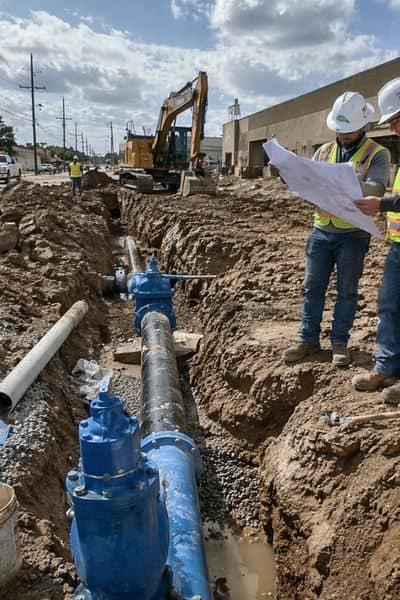
A lot of issues show up at the worst time. Not at the start. Not during planning. They show up when work is already moving.
That’s when delays get expensive.
Here are a few common problems:
- The project needs a utility connection that isn’t available yet
- The system has limited capacity, so upgrades are required
- The timeline depends on city work that hasn’t finished
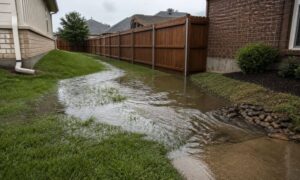
- The design doesn’t match real conditions on site
These aren’t small issues. They can stop a project cold.
Crews wait. Equipment sits. Costs rise fast.
Why a Construction Engineer Matters Early
This is where a construction engineer steps in.
Not after something goes wrong, but before it even starts.
A good construction engineer looks beyond the building itself. They think about how the project ties into everything around it, like nearby utilities, city plans, timelines, and even delays that might come from outside the site.
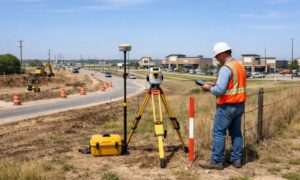
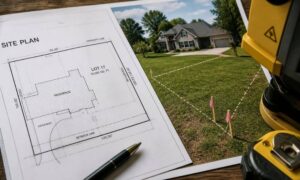
They ask the right questions early. They check what’s actually available. They line things up with real conditions on the ground. That usually means getting a land survey before building, along with other early checks that help avoid surprises later on.
That kind of early planning saves time later. A lot of time.
The Hidden Cost of Waiting Too Long
Many owners bring in help after problems appear. At that point, options shrink.
Changes cost more. Delays stretch longer. Stress builds across the whole project.
It doesn’t start that way.
It starts with small assumptions. Someone assumes utilities are ready. Someone assumes approvals will move fast. Someone assumes everything lines up.
Then reality hits.
The project slows down, and fixing it costs more than doing it right at the start.
What the Mary’s Creek Project Signals
Projects like Mary’s Creek don’t just solve today’s problems. They change how future projects move.
Some areas will open up for easier development. Others may face short-term limits while upgrades happen.
That creates a mix of opportunity and risk.
One site might move fast. Another nearby site might get delayed.
From the outside, both look the same.
From the inside, they are completely different.
A construction engineer helps you see that difference before you commit time and money.
What This Means for Developers and Property Owners
If you’re planning a project, you’re dealing with a different environment than a few years ago.
You need to think about:
- How your project connects to city systems
- When those systems will be ready
- What outside work could affect your timeline
These are not small details. They shape the entire project.
Missing them early can lead to serious setbacks later.
When to Bring in a Construction Engineer
The best time is earlier than most people think.
Before you finalize a site. Before you lock in a schedule. Before construction starts.
At that stage, changes are easier. Decisions are cheaper. Problems are still avoidable.
Waiting until construction begins puts you in a reactive position. You deal with problems instead of preventing them.
That’s not where you want to be.
Fort Worth Is Changing. Projects Need to Change Too.
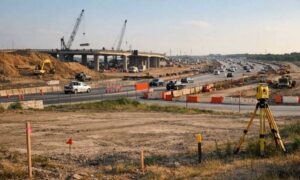
The Mary’s Creek Water Project is one example, but it won’t be the last. Fort Worth will keep investing in infrastructure as the city grows.
That means future projects will depend more on coordination, timing, and planning.
It also means fewer shortcuts.
Projects that ignore these changes will face delays. Projects that plan for them will move faster and smoother.
A construction engineer helps you stay on the right side of that line.
And in a city that keeps growing, that edge matters more than ever.