Installing a new fence sounds simple. You choose a style, hire a contractor, and build where you think your property line is. However, that guess causes more problems than many homeowners expect. In fact, most fence disputes and costly removals happen because the fence was built in the wrong spot. That’s exactly when a surveyor for fence installation becomes important.
Whether you are replacing an old fence, building a new one, or upgrading to a custom design, knowing your exact property line protects your money and your peace of mind. In this guide, you will learn when you need a surveyor, what they do, and how they help prevent expensive mistakes.
Why Fence Projects Cause So Many Property Problems
Many homeowners believe their property lines are easy to see. After all, there might already be a fence, trees, or visible markers. However, these signs often give the wrong idea.
Over time, fence posts shift. Corner markers get buried. Yard work and construction slowly move boundaries. Because of this, small errors grow larger year after year.
As a result, fence disputes are very common. Many people do not realize there is a problem until a neighbor complains, the city inspects the fence, or a home sale uncovers the mistake.
This is why hiring a surveyor for fence placement makes sense. Instead of guessing, you get clear proof of where your fence should go.
What Does a Surveyor for Fence Installation Do?
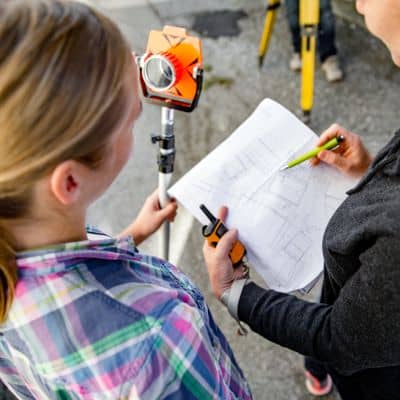
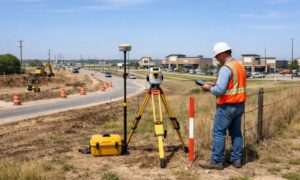
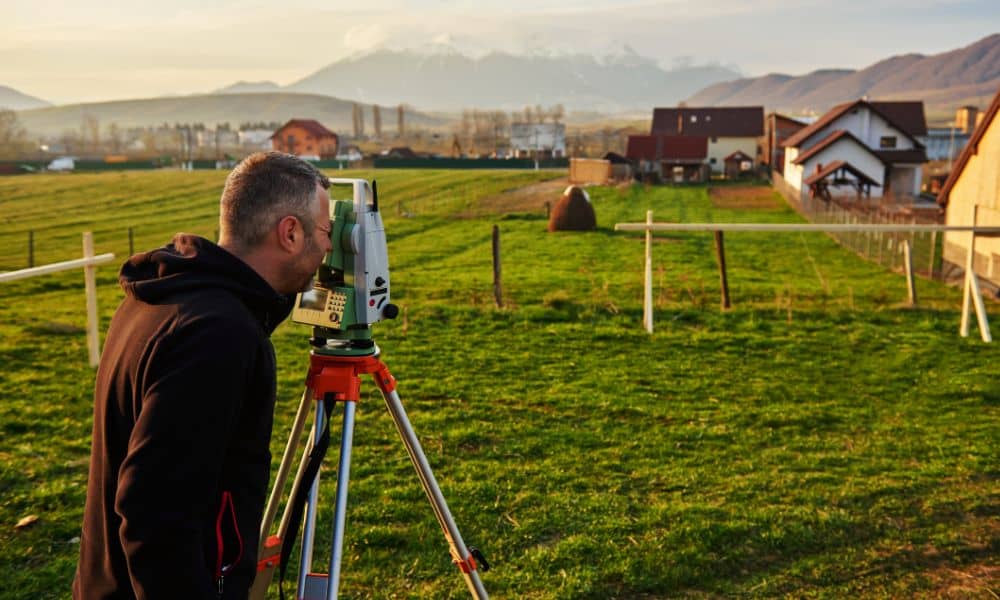
A surveyor for fence projects does not rely on guesses or old fence lines. Instead, they find your true legal boundary using official records, property maps, and modern tools.
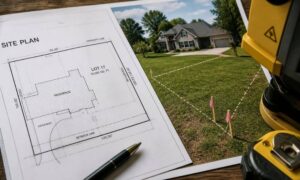
They locate your property corners, confirm boundary lines, find easements, and mark the correct fence path using visible stakes. After that, your fence contractor can install the fence with confidence.
Think of a surveyor for fence work as your guide for property lines. They show exactly where your fence belongs.
When Do You Need a Surveyor for Fence Installation?
Not every fence job needs the same level of surveying. However, many common situations make professional help very important.
If you are replacing an old fence, a surveyor is often needed. Older fences rarely sit on the true property line. Over time, repairs, shifting posts, and small changes move the fence away from the correct spot. Following an old fence line often repeats a costly mistake.
If you cannot see your property corners, guessing becomes risky. Many corner markers disappear due to yard work, erosion, or building projects. Without clear markers, homeowners often estimate, which leads to disputes. A surveyor can find or reset these points so your fence starts in the right place.
If your fence runs close to your neighbor’s yard, the risk increases. Shared boundaries cause the most problems. Even a few inches can lead to conflict. A surveyor for fence placement confirms the exact line, helping both sides avoid stress.
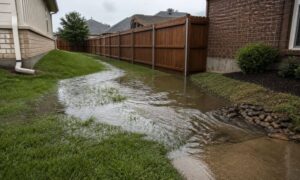
If your yard has utility lines, drainage areas, or access paths, a surveyor is also needed. These areas limit where fences can go. If you build inside them, the fence may be removed later. A surveyor finds these zones before work begins.
If you are installing an expensive fence, professional placement becomes even more important. Custom wood, metal fencing, stone columns, and gates cost serious money. When you invest that much, guessing placement does not make sense.
What Happens If You Skip a Surveyor for Fence Placement?
Skipping a survey might seem like a way to save money. However, it often leads to bigger costs later.
Some homeowners must tear down and rebuild their fence. Others face legal disputes, city violations, HOA fines, or unhappy neighbors. These problems usually appear after the fence is finished, which makes them even more stressful.
Most people only call a surveyor after trouble begins. By then, the fence already stands in the wrong place. Fixing mistakes always costs more than preventing them.
That is why hiring a surveyor for fence installation is a smart move.
How a Surveyor for Fence Saves You Money
Some homeowners worry about the cost of surveying. However, a survey often lowers the total project cost.
A surveyor helps prevent wasted materials, labor mistakes, legal disputes, and long delays. They make sure everything is built correctly the first time.
Instead of paying to fix problems later, you invest in accuracy at the start. This saves money, protects your property, and avoids stress.
What Type of Survey Do You Need for Fence Installation?
Not all fence projects require a full property survey. However, you still need clear boundary marking.
Most homeowners choose a fence stakeout or property line marking service. These options focus only on showing where the fence should go.
In some cases, especially when boundaries are unclear, a full boundary survey may be needed. A licensed surveyor can explain which option fits your project best.
How the Fence Survey Process Works
The process is simple.
First, you contact a licensed surveyor and provide your address. Next, the surveyor reviews property records and maps.
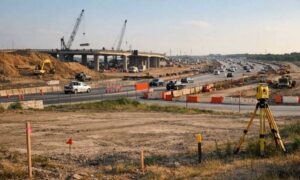
Then, the field crew locates your property corners using professional tools. After confirming the boundaries, they place visible stakes along the fence line.
Finally, your fence contractor installs the fence using those markers. This clear process removes guessing and prevents mistakes.
What to Ask Before Hiring a Surveyor for Fence Projects
Before hiring, ask a few simple questions.
Make sure the surveyor will clearly mark all fence corners. Ask if the stakes will remain visible for the contractor. Confirm that easements will be checked. Also, ask about timing so your fence installation stays on schedule.
Good communication keeps your project running smoothly.
Common Fence Survey Myths That Cause Big Problems
Many fence mistakes start with common myths.
Some homeowners trust online maps to show true boundaries. Others believe permits confirm property lines. Some rely on old fences or neighbor agreements.
Unfortunately, none of these provide legal protection. Only a licensed surveyor for fence installation can confirm exact boundaries.
Final Thoughts: When in Doubt, Survey First
Fence installation may look easy. However, property lines require accuracy, not guesses.
If your project involves shared boundaries, missing markers, expensive materials, or unclear records, hiring a surveyor for fence placement protects your investment and your peace of mind.
Before your contractor sets the first post, take the smart step — confirm your boundaries and build with confidence.