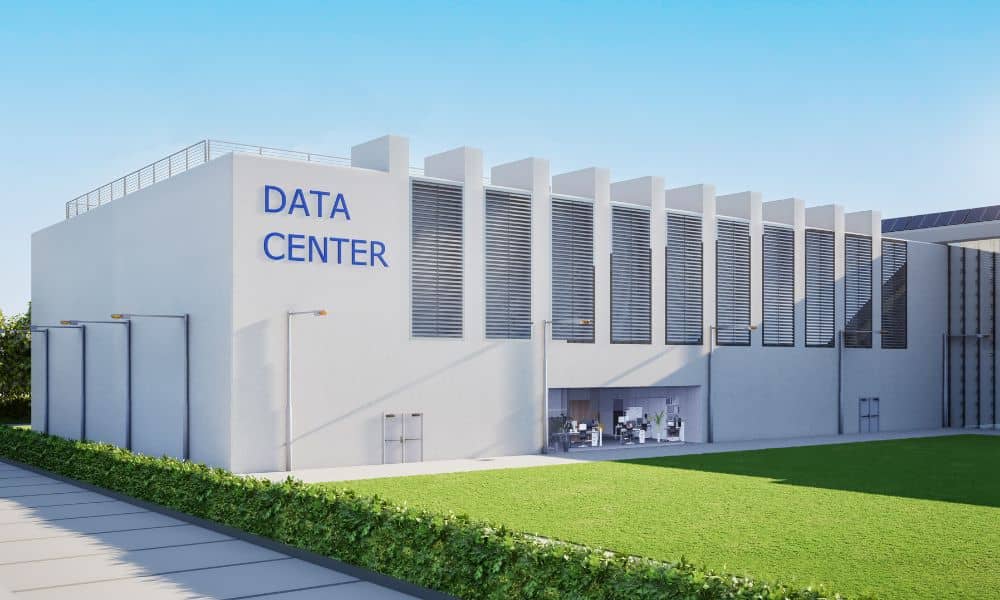
Fort Worth is growing fast, and you can see it in the number of new construction projects across the city. Lately, one type of project stands out more than the rest—data centers. These buildings may not look exciting from the outside, yet they play a huge role in how our world runs today. Most people talk about power use, internet speed, or even noise. However, there is something more important happening behind the scenes. Every data center depends on strong and smart structural design.
And while these projects seem large and complex, the lessons they bring apply to everyday construction in Fort Worth. Whether you plan a commercial space, a warehouse, or an expansion, you start to see how structural design impacts your project once you look beyond the surface.
Why Data Centers Are Changing the Way We Think About Structural Design
At first glance, a data center may look like a simple building. Still, the inside tells a different story. Rows of equipment, cooling systems, and backup power units fill the space. Because of this, the building must support much more than a normal structure.
Unlike a standard office, weight does not spread evenly. Instead, heavy systems sit in specific areas. As a result, engineers must plan carefully to make sure the structure stays stable over time.
This shift is important. More buildings today carry heavy systems, even outside of tech. For example, retail stores, medical facilities, and industrial spaces all require stronger planning. So, structural design is no longer just about holding a building up. It is about making sure it performs well every day.
How Heavy Equipment Is Pushing Structural Design Further
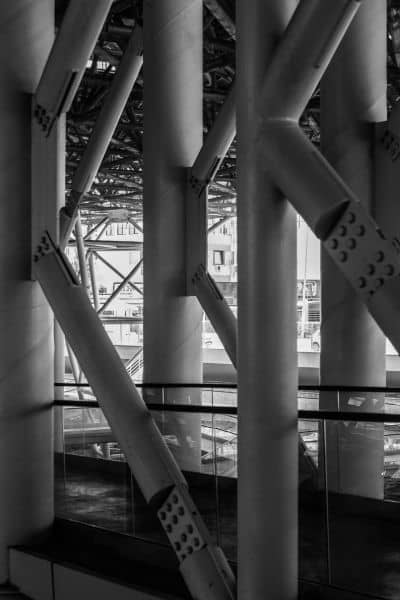
Data centers show us one key challenge—weight. Equipment can weigh thousands of pounds, and it often stays in one place. Because of this, the structure must support concentrated loads without stress or damage.
Now, think about other projects in Fort Worth. Warehouses store heavy goods, restaurants carry large kitchen equipment, and commercial spaces include complex systems. All of these create similar pressure on a building.
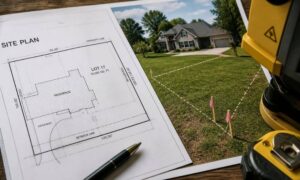
If the structural design does not account for this, problems can show up later. Floors may crack, surfaces may shift, and repairs can become expensive. That is why proper planning early on makes such a big difference, and a lot of that really comes down to your site conditions.
Why Stability and Vibration Matter in Everyday Buildings
Another lesson from data centers involves movement. Even small vibrations can affect sensitive equipment. Because of this, engineers design structures that reduce movement and keep everything steady.
This idea applies beyond data centers. Office workers feel the difference when floors stay firm. Medical equipment performs better in stable environments. Even multi-story buildings need to limit movement between levels.
So, structural design is not just about strength. It also improves comfort, safety, and performance inside the building. In a growing city like Fort Worth, these details matter more as buildings become more complex.
Planning Ahead: A Smarter Approach to Structural Design
One thing data centers do very well is plan for the future. These buildings do not just meet today’s needs. Instead, they prepare for growth, upgrades, and unexpected changes.
Because of this, engineers include extra support for backup systems and future equipment. They think ahead so the structure can adapt over time.
This approach works for many projects. Fort Worth continues to grow, and buildings often change use or expand. When structural design includes future planning, it helps avoid costly updates later.
In contrast, projects that only focus on the present often face problems. They may need redesigns, repairs, or even structural upgrades sooner than expected.
Why Fort Worth Conditions Make Structural Design Even More Important
Every city has its own challenges, and Fort Worth is no different. One major factor is the soil. Expansive clay can shift as it gets wet or dry. Because of this, buildings may move if the foundation is not designed properly.
So, structural design must respond to local conditions. It must consider how the ground behaves, how the weather changes, and how the site affects the structure.
Even a strong building can fail if it ignores what is happening below it. That is why local knowledge plays such a big role in successful projects.
What Property Owners Can Learn from This Boom
You may not be building a data center. Still, the lessons apply to almost any project. Whether you plan a commercial building or a renovation, the same ideas can help you succeed.
First, bring in structural experts early. This helps prevent delays and avoids costly mistakes. Next, think beyond basic requirements. Strong structural design should support both current needs and future growth.
Finally, focus on long-term value. A well-designed structure lasts longer, performs better, and saves money over time.
In a fast-growing city like Fort Worth, these steps can make a major difference.
Building Smarter with Structural Design in Fort Worth
Fort Worth’s data center boom shows how construction is evolving. Buildings now carry more weight, support more systems, and require more careful planning than ever before.
Because of this, structural design has become a key part of every successful project. It shapes how buildings perform, how long they last, and how well they adapt to change.
As the city continues to grow, one thing is clear. Projects that focus on smart structural planning from the start will stand out. They will avoid problems, reduce costs, and deliver better results.
And whether your project is large or small, the lesson remains the same. Strong structural design is not just part of the process—it is the foundation of a successful build.