You finally have your land. You’ve mapped out your idea, maybe even talked to a builder, and everything feels ready to go. Then the city reviews your plans—and suddenly, everything slows down. You’re told a drainage study is required.
At first, it feels like an extra step you didn’t expect. However, this comes up more often than most people realize in land development projects across Fort Worth. In many cases, it’s not about how big the project is. Instead, it’s about how your plans change the way water moves across the site.
Because of that, having a clear idea of what to expect during land development can make a big difference. It helps you avoid delays, reduce redesigns, and keep costs from creeping up.
What a Drainage Study Really Looks At
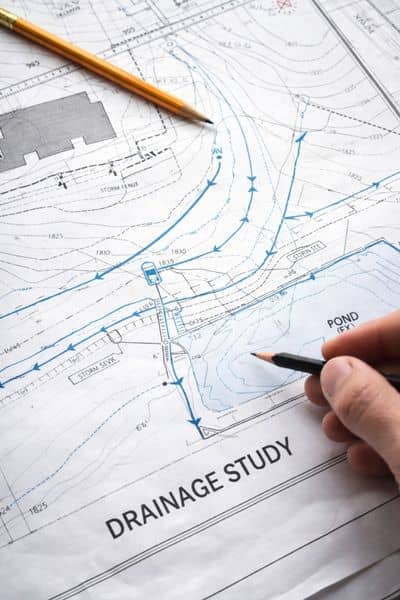
A drainage study looks at one simple thing: where does the water go?
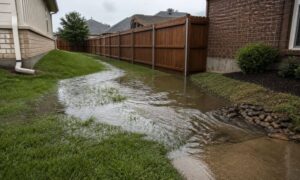
Before any construction starts, rainwater follows a natural path. It spreads across the soil, moves downhill, and slowly soaks into the ground. However, once development begins, that natural flow starts to change.
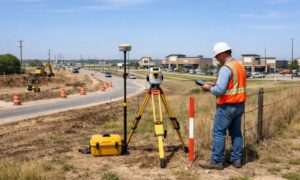
Roofs, driveways, and paved areas stop water from soaking in. Because of that, water moves faster and collects in larger amounts. This change may seem small at first, but it can affect nearby properties, streets, and drainage systems. In many cases, this is also the point where getting a land survey early helps you better understand how your site behaves before any work begins.
In the end, a drainage study compares what happens before your project and what will happen after. It shows whether your design can handle water the right way and keep everything under control.
Why Drainage Becomes a Key Issue in Fort Worth Land Development
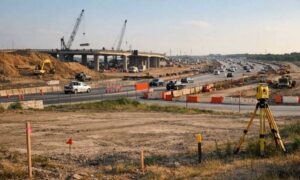
Fort Worth continues to grow, and with that growth comes more construction. As more land turns into homes, roads, and commercial spaces, less soil remains to absorb rainwater.
Because of this, the city pays close attention to drainage during the review process. They want to make sure new projects do not create flooding or push water onto neighboring properties.
Even small projects can raise concerns if they change how water flows. So, during land development, drainage is not just a technical detail. It becomes a key part of getting approval.
How Site Changes Can Trigger a Drainage Study
Most property owners do not plan for a drainage study at the start. Instead, they find out about it after submitting plans. However, the need usually comes from how the land is being changed.
When raw land is developed, water behavior is no longer predictable. Natural ground absorbs rain, but built surfaces do not. Because of that, the city often asks for a closer look before allowing construction to move forward.
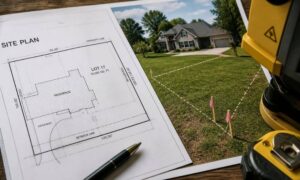
The same thing happens when land is divided into smaller lots. As layouts shift, water paths also shift. What once drained across one open space may now move between structures or toward nearby properties.
Grading changes can also create issues. Even a slight slope adjustment can redirect water in a new direction. While the change may seem minor, the impact can be significant during heavy rain.
In other cases, the concern comes from location. Low areas or sites near natural drainage paths already deal with water flow. So, any added development increases the need for careful planning.
What Causes Delays When Drainage Is Overlooked
Problems often start when drainage is not considered early. Plans move forward, designs get finalized, and then the city review begins. That’s when the issue appears.
At that point, everything pauses. The project may need a full drainage study, which takes time to complete. Then, once results come in, the design may need updates to meet requirements.
This creates a chain reaction. Timelines stretch. Costs increase. In some cases, parts of the layout must change completely.
Because of this, what felt like a simple project can quickly turn into a longer process than expected.
Why Early Planning Makes Land Development Smoother
On the other hand, early planning changes everything.
When drainage is reviewed at the beginning, potential issues become clear right away. Instead of reacting later, you can adjust your plans early and keep things moving.
This approach helps avoid major redesigns. It also allows your project to align with what the city expects during review.
As a result, approvals often move faster. More importantly, you gain confidence that your project will not run into avoidable problems.
How to Recognize the Need Before It Becomes a Problem
You don’t need to be an engineer to spot warning signs. In fact, most drainage concerns come from simple changes to the land.
If your project adds hard surfaces, changes elevation, or divides property, then water flow will likely change too. Because of that, it’s worth taking a closer look early.
Even location can play a role. Sites in lower areas or near drainage paths naturally handle more water. So, development in these areas often needs extra attention.
Recognizing these factors early helps you stay ahead of the process instead of catching up later.
Why a Drainage Study Supports Long-Term Success
Although it may seem like an extra step, a drainage study often improves the project overall.
It gives a clear picture of how water will behave on your site. It also helps protect your investment by reducing future risks like flooding or erosion.
Because of this, many successful land development projects treat drainage as part of the plan, not a last-minute requirement.
Moving Forward Without Delays
Every project starts with a vision. However, the difference between a smooth process and a delayed one often comes down to preparation.
When drainage is understood early, the review process becomes more predictable. Plans move forward with fewer interruptions, and timelines stay intact.
So, instead of waiting for the city to raise concerns, taking a proactive approach can keep your project on track.
In land development, small steps taken early often lead to better results in the end.