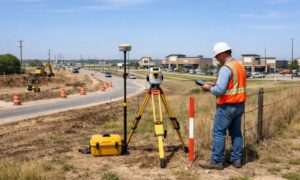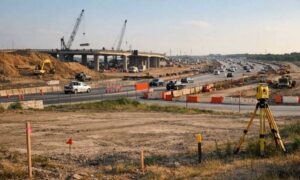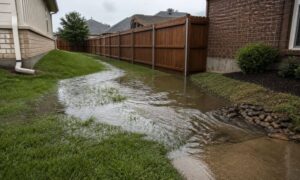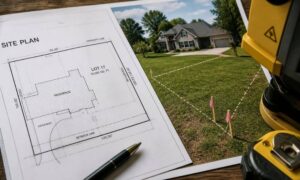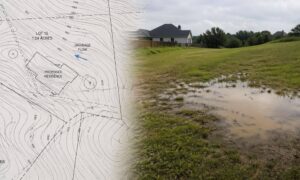
You walk a piece of land and it looks fine. The ground feels solid. Nothing really stands out, so you assume drainage won’t be an issue once you build. Then the rain comes. Water starts sitting in places you didn’t notice before. Some parts of the lot stay wet longer than they should. Now you’re dealing with something that wasn’t obvious during that first walk. This happens a lot in Fort Worth. That’s why people end up checking the land more carefully before they move forward. Lidar mapping in Fort Worth helps show how the ground actually sits, not just how it looks when everything is dry.
Why Land That Looks Flat Can Still Have Drainage Issues
A lot of people trust their eyes when they walk a site. If the land looks level, they assume water will move away without trouble.
That assumption causes problems.
Even small changes in elevation can shift how water behaves. A slight dip can collect runoff. A gentle slope can send water toward your foundation.
Fort Worth has many lots that have been cleared, filled, or reshaped over time. Because of that, the surface can look even while the ground underneath tells a different story.
You won’t always notice that during a quick visit. Everything seems fine until you see the lot during or after a heavy rain.
What LiDAR Mapping Shows That You Can’t See
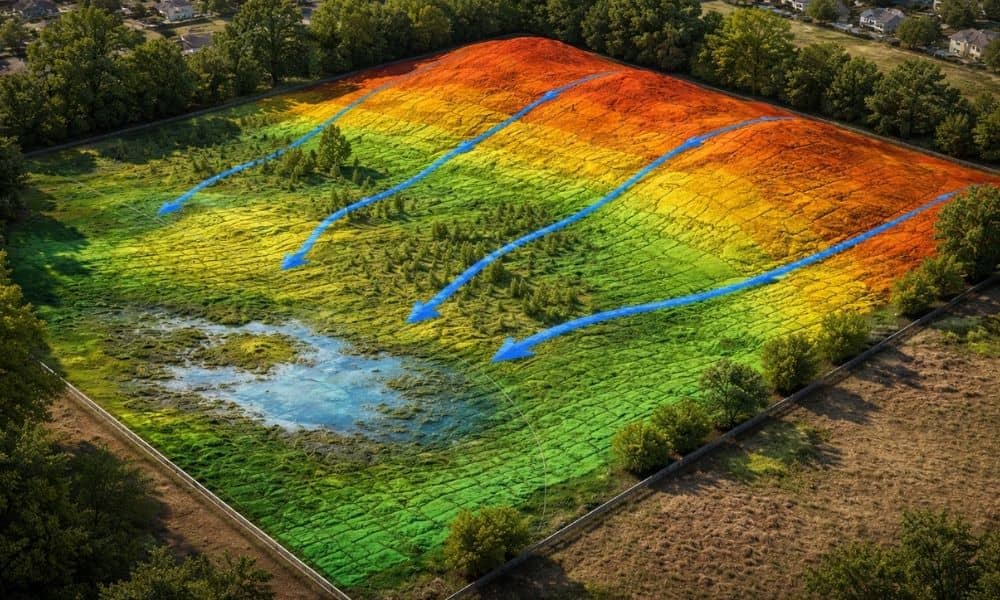
LiDAR mapping uses detailed elevation data to show the exact shape of the ground. It picks up small changes that don’t stand out in person.
That matters because water reacts to those small changes.
Instead of guessing how your land behaves, you get a clear view of:
- where the ground dips
- where it rises
- how different parts of the lot connect
So rather than relying on a visual check, you’re working with real numbers and real shape.
That changes how you plan everything.
How Water Actually Moves Across a Property
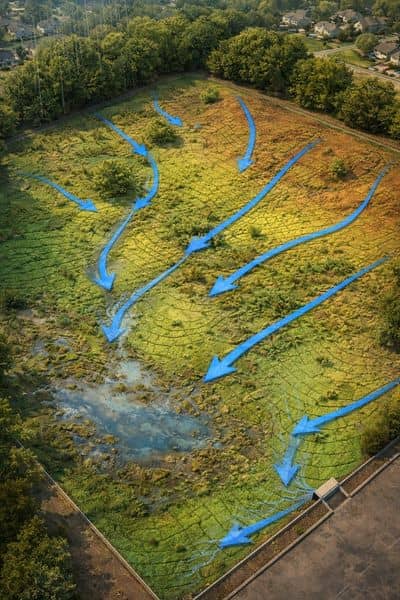
Water always finds a path. The problem is, that path isn’t always obvious.
You might think water will flow toward the street. In reality, it might cut across the middle of your lot first. That can affect where you place your home, your driveway, and your drainage features.
With lidar mapping, you can see how water is likely to move during rainfall. You can follow that path from one side of the property to the other.
That insight helps you avoid placing structures in the wrong spot. It also helps you plan how to guide water away instead of reacting later.
The Hidden Low Spots That Cause Problems Later
Every property has low areas. Some are easy to notice. Others blend in and go unnoticed.
Those hidden spots are where water collects.
Once water starts pooling, it can soak into the soil and stay there. Over time, that leads to soft ground, standing water, and even damage near the foundation.
You won’t always catch these areas during a walk-through. The surface might look even across the whole lot.
LiDAR mapping brings those spots into view so you can deal with them early.
Why Small Slopes Can Lead to Big Issues
A slope doesn’t need to be steep to create trouble. Even a slight tilt can send water in the wrong direction.
That’s where many builds run into problems.
The home gets placed based on what looks level. Later, water starts moving toward the structure instead of away from it.
Fixing that after construction starts takes time and money.
When you see those slopes early, you can adjust your plan. You can move the build area, change the grade, or prepare the site before work begins.
A Situation Many Buyers Run Into
A buyer finds a clean, open lot. It looks ready to build. No visible drainage issues stand out.
They move forward with the purchase.
After the first heavy rain, water collects near the planned build area. Parts of the ground stay wet longer than expected.
Now the project needs changes. Grading has to be adjusted. Drainage has to be added. Costs start to climb.
If lidar mapping had been done first, those issues would have shown up early. The low areas and water paths would have been clear from the start.
That’s the difference between reacting and planning.
When It Makes Sense to Use LiDAR Mapping
You don’t need it for every situation, but it helps more often than people expect.
It makes sense when you are:
- buying land
- planning a new build
- unsure how water moves across the lot
- dealing with land that looks flat but feels uneven
It also helps when nearby properties sit higher or lower, since that can affect how water enters your site.
Checking early gives you more control over your decisions.
Why Drainage Problems Get Expensive Fast
Water issues rarely stay small.
Once construction starts, changes become harder to make. You may need to move dirt again, adjust the layout, or install extra drainage.
Each step adds cost. Each delay pushes your timeline back.
Solving the issue before building starts is always easier than fixing it later.
That’s why early insight matters so much.
Building With More Confidence
When you understand how your land handles water, you make better choices.
You can place your home in a safer spot. You can plan grading with fewer surprises. You avoid areas that could cause problems later.
In Fort Worth, where weather can shift quickly, that kind of clarity makes a real difference.
Lidar mapping gives you that clarity before you commit to a plan.
Closing Thought
Drainage problems don’t show up when everything is dry. They show up later, when changes are harder to make.
Lidar mapping gives you a clear picture of your property before you build. It helps you see how water will behave, not just how the land looks.
That early view can save you time, money, and a lot of frustration once construction begins.