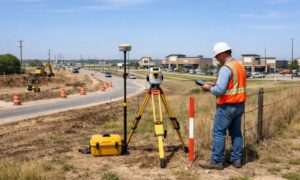
You submit your plans, feel confident, and expect things to move forward. Then the city sends a message asking for more information. Suddenly, your permit sits in review longer than expected. At that point, many property owners feel confused. You already hired someone. You already have documents. So why is the process slowing down? In many cases, the issue is not your project. The issue is the document you submitted. The city often needs a plat of survey, not just any survey, because it clearly shows how your plans fit on the property.
Without that, your application does not move forward. Instead, it pauses while the reviewer waits for the right information, which is why it helps to understand how land surveys help with permits before you submit anything.
What a Plat of Survey Really Shows
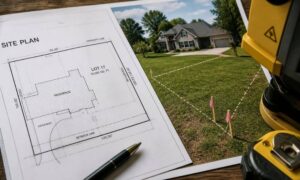
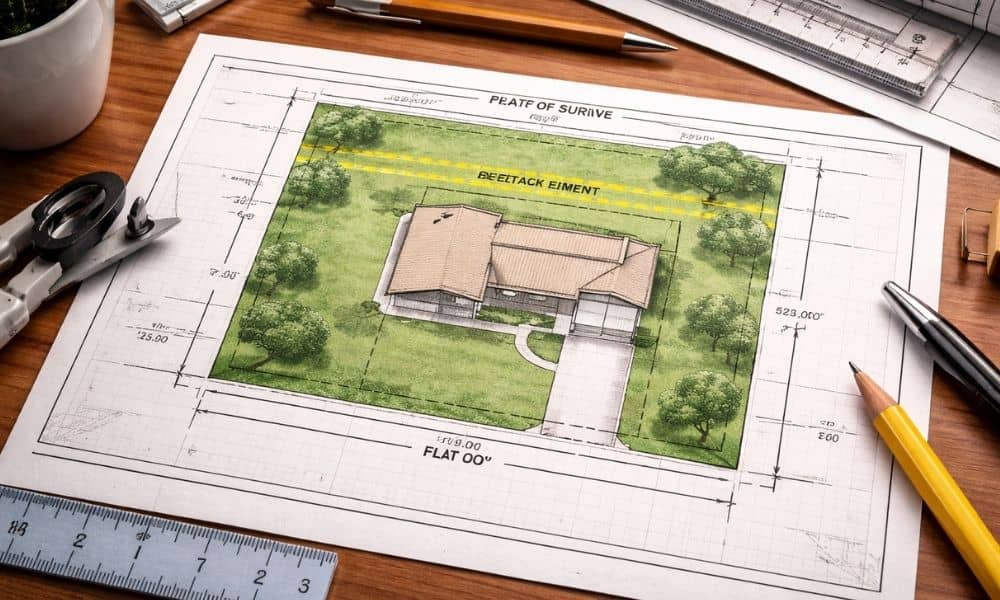
A plat of survey gives a clear picture of your property, showing how everything is laid out in a way the city can review quickly.
It maps out key details like property lines, lot boundaries, easements, and setback lines. These may sound technical at first, but they are exactly what reviewers look at when they check your plans. Once you understand what a plat of survey shows, it becomes easier to see why these details matter so much during the approval process.
Because a licensed land surveyor prepares it, the document carries legal weight. That means the city can trust what they see without second-guessing anything.
As a result, instead of asking for more information, they can move your application forward with fewer delays.
Why the Wrong Document Slows Everything Down
Many people believe any survey will work. However, that is where delays often begin.
Some documents show ownership. Others show rough boundaries. While those can help, they often miss key details. They may not show updated easements. They may not reflect current zoning rules. They may even leave out setback lines.
Because of that, the city cannot confirm if your project fits within the rules.
So what happens next?
The reviewer sends your file back for clarification. Then your application waits. After that, your timeline stretches longer than expected.
Even though your project is valid, it still cannot move forward.
How Permit Review Actually Works
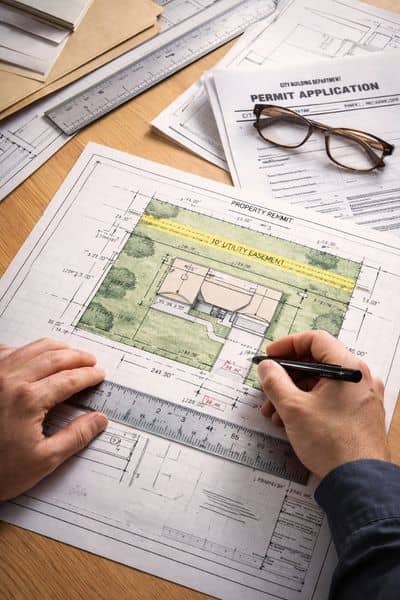
When you submit a permit, the city does not just look at your design. They check how your project fits on the land.
They need to confirm that your structure stays within allowed areas. They check distances from property lines. They also look for any easements that might block construction.
Without a clear layout, they cannot verify these details.
Because of that, they cannot approve your permit right away. Instead, they pause your application until they receive better information.
This is why many delays feel unexpected. The problem does not come from your idea. It comes from missing clarity.
Where a Plat of Survey Makes a Difference
A plat of survey removes that uncertainty. It shows everything the city needs in one place.
Reviewers can see exact boundaries, clear setback lines, and any easements that affect the property. As a result, they can make decisions faster.
Instead of going back and forth, your application moves ahead.
That shift makes a big difference. It turns a slow review into a smooth process.
Situations Where Delays Often Happen
This issue does not only affect large projects. It shows up in many everyday situations.
You might plan to add a new room or build a garage. At the same time, you may want to install a pool or a small structure in your yard. These projects seem simple, yet they still require approval.
However, if your documents do not clearly show where the structure will sit, the city cannot confirm if it meets setback rules.
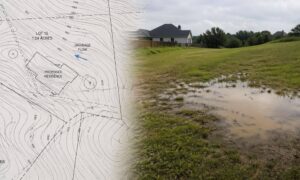
In other cases, older properties create confusion. Records may not match current conditions. Lot lines may not be clear. Because of that, the city needs a verified layout before moving forward.
So even simple projects can face delays when the right document is missing.
Why This Matters More in Growing Areas
In places like Fort Worth, development continues to grow. New homes, additions, and commercial projects happen every day.
Because of this growth, cities review permits more carefully. They need to make sure every project follows zoning rules and land use requirements.
At the same time, many properties come with older records. These records may not reflect current conditions.
As a result, the need for clear and updated documentation becomes even more important.
A plat of survey helps bridge that gap. It brings old records and current plans together in a way the city can trust.
Why Timing Plays a Big Role
Many delays happen because property owners wait too long to get the right document.
They submit plans first, then respond to requests later. While this seems faster at first, it often leads to longer delays.
If you get a plat of survey early, you avoid that problem. You can design your project with accurate information. You can also submit a complete application from the start.
Because of that, your permit review moves faster and with fewer interruptions.
The Real Cost of Waiting
At first, skipping a plat of survey may seem like a way to save money. However, delays often cost more than expected.
You may need to adjust your plans. Contractors may need to reschedule. Timelines can stretch, and stress builds along the way.
On the other hand, getting the right document early keeps things on track. It helps avoid extra steps and keeps your project moving forward.
So while it may feel like an added step, it actually saves time and effort in the long run.
Keeping Your Project Moving Forward
Permit delays can feel frustrating, especially when everything else seems ready. However, the solution is often simple.
A plat of survey gives the city the clarity they need to review your project. It shows your property in a complete and reliable way. Because of that, your application moves forward without unnecessary pauses.
Before you submit your next permit, take a moment to check if you have the right document.
That one step can make the difference between a delay and a smooth approval.